
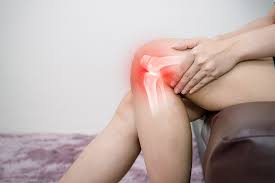
Postoperative knee stiffness is a common complication following surgeries such as total knee replacement (TKR), ACL reconstruction, patellar tendon repair, and other knee procedures. It occurs mainly due to scar tissue formation, joint adhesions, pain, swelling, and prolonged immobilization. If not addressed early, knee stiffness can severely limit movement, delay recovery, and affect daily activities like walking, stair climbing, sitting, and squatting.
With the growing number of knee surgeries worldwide, the demand for effective and accessible rehabilitation has increased. Evidence strongly supports home based physical therapy as a safe and effective solution for managing post-operative knee stiffness and improving long-term functional outcomes.
Why Does Postoperative Knee Stiffness Occur?
After knee surgery, the body naturally forms scar tissue as part of the healing process. In some patients, excessive fibrosis (arthrofibrosis) restricts joint movement and muscle activation, particularly affecting the quadriceps muscle. This leads to:
- Reduced knee flexion and extension
- Pain and swelling
- Muscle weakness
- Abnormal walking pattern
- Difficulty performing daily activities
Early intervention through physical therapy is essential to prevent these complications.
Importance of Home Based Physical Therapy
Home-based physical therapy allows patients to receive structured, supervised rehabilitation in the comfort of their own home, especially during the early post-operative phase when travel to clinics may be difficult or unsafe.
Research shows that guided physical therapy programs, whether home based or outpatient, produce similar improvements in knee range of motion, strength, gait speed, and functional recovery, provided they are properly supervised and individualized.
Key Components of Home-Based Physical Therapy for Knee Stiffness
1. Early Knee Mobilization
Early movement is crucial to prevent stiffness, improve joint nutrition, and reduce the risk of complications such as deep vein thrombosis (DVT). Gentle, controlled mobilization helps restore knee flexion and extension safely.
2. Strengthening Exercises
Progressive strengthening of the quadriceps, hamstrings, and surrounding muscles is essential to regain knee stability and function. Studies show that strengthening exercises, with or without neuromuscular electrical stimulation (NMES), significantly improve muscle strength after knee surgery.
3. Functional Training
Home-based programs focus on practical movements such as:
- Walking training
- Stair climbing
- Sit-to-stand activities
- Balance and coordination exercises
These help patients return to daily activities more confidently and independently.
4. Pain and Swelling Management
Modalities such as:
- Cryotherapy (ice therapy)
- Electrotherapy (NMES, interferential therapy)
are effective in reducing pain, swelling, and muscle inhibition, especially in the early stages of recovery.
5. Advanced Manual Therapy Techniques
Specialized techniques, including sustained mobilization and soft-tissue release methods, help break down scar tissue and adhesions. These techniques have shown significant improvements in knee range of motion when combined with conventional physical therapy.
6. Aquatic and Balance Training (When Applicable)
Water-based exercises and balance training can be introduced at later stages to improve strength, endurance, walking speed, and stair-climbing ability while minimizing joint stress.
Benefits of Home-Based Physical Therapy
- One-on-one supervised care
- Personalized rehabilitation plans
- Increased comfort and confidence
- Better exercise compliance
- Reduced need for hospital visits
- Safe and effective for elderly and post-surgical patients
Evidence also suggests that supervised physical therapy is more effective than unsupervised home exercise programs, highlighting the importance of professional guidance even in a home setting.
Conclusion
Post-operative knee stiffness can significantly impact recovery if not managed properly. Strong evidence supports that early, intensive, and supervised home-based physical therapy plays a vital role in restoring knee movement, strength, and function. A comprehensive rehabilitation program that includes strengthening, functional exercises, pain management, electrotherapy, and advanced manual techniques can lead to faster and better recovery.
Home-based physical therapy offers a convenient, effective, and patient centered approach to post-operative knee rehabilitation, helping patients regain mobility, independence, and quality of life from the comfort of their home.