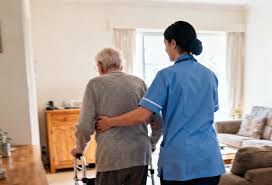

Osteoporosis is a common condition among older adults that weakens bones and increases the risk of fractures. As people age, maintaining bone strength becomes increasingly important for independence, mobility, and overall quality of life. While medications are often used to treat osteoporosis, growing evidence shows that physical activity and structured exercise can play a powerful role in preventing and managing the condition, especially when delivered through accessible, home based care services.
For agencies providing home health and wellness services, supporting older adults with safe, structured exercise programs can make a meaningful difference in long term bone health and fall prevention.
Understanding Osteoporosis and Its Impact
Osteoporosis is characterized by low bone mineral density (BMD) and changes in bone structure that reduce bone strength. This makes bones more vulnerable to fractures, particularly in areas such as the hip, spine, and wrist.
Hip fractures are especially concerning for older adults, as they can lead to serious complications, reduced mobility, and increased mortality within the year following the injury. Because of these risks, prevention and early intervention are critical.
Physical activity has been widely recognized as one of the most effective non-pharmacological strategies to help maintain bone health and reduce fracture risk.
How Exercise Strengthens Bones
Bones respond to mechanical stress, meaning they adapt and become stronger when exposed to physical forces such as muscle contractions and weight bearing movements.
When muscles pull on bones during exercise, they create small mechanical stresses that stimulate bone building cells. This process, known as mechanotransduction, encourages the body to produce new bone tissue and maintain bone density over time.
Regular physical activity can therefore:
Stimulate bone growth and remodeling
Maintain or improve bone mineral density
Strengthen muscles supporting the skeleton
Improve balance and coordination
Reduce the risk of falls and fractures
For older adults receiving care at home, incorporating targeted exercise into daily routines can be an effective strategy for long-term musculoskeletal health.
Key Types of Exercise for Bone Health
Research highlights several forms of exercise that may help prevent or manage osteoporosis in older adults.
1. Resistance Training
Resistance training is one of the most effective exercise methods for maintaining or improving bone density. It involves exercises that work against resistance, such as:
Resistance bands
Bodyweight exercises
Light weights
Functional strength movements
Studies show that structured resistance training programs can increase bone mineral density in areas such as the hip and lumbar spine, particularly in postmenopausal women.
For older adults receiving homebased services, resistance exercises can be safely adapted to individual ability levels and performed under professional supervision.
Benefits include:
Increased bone density
Improved muscle strength
Better posture and joint stability
Enhanced mobility and independence
2. Weight-Bearing Activities
Weightbearing activities require the body to work against gravity while standing or moving. Examples include:
Walking
Climbing stairs
Standing exercises
Functional movement training
While walking alone may not significantly increase bone density, it helps maintain bone health and supports overall physical function. Brisk walking and higher intensity movement can also contribute to improved skeletal health over time.
For many older adults, walking is the most accessible form of physical activity and can easily be integrated into home care programs.
3. Impact Exercises
Higher impact movements such as gentle hopping, stepping, or controlled jumping create stronger mechanical forces that stimulate bone growth.
These activities can:
Improve bone density
Strengthen muscles
Enhance balance and coordination
However, impact exercises must be carefully tailored to each individual. Home-based rehabilitation professionals can assess mobility, joint health, and fall risk before introducing these types of exercises.
Even small improvements in bone density (1–3%) can significantly reduce fracture risk, making these exercises valuable when applied appropriately.
4. Whole-Body Vibration Therapy
Whole body vibration therapy involves standing on a vibrating platform that stimulates muscles and bones through rapid oscillations.
Some studies suggest that this therapy may help maintain bone density and reduce fall risk in older adults. While research results are mixed, vibration therapy may be beneficial for individuals who have difficulty performing traditional exercises.
Home care providers may integrate this therapy in specialized rehabilitation programs when appropriate.
Why Home-Based Exercise Programs Matter
Many older adults face barriers to participating in structured exercise programs, including:
Limited transportation
Mobility challenges
Time constraints
Lack of access to fitness facilities
Home based exercise programs address these challenges by bringing professional guidance directly into the home environment.
Through personalized care plans, trained professionals can help clients:
Perform safe resistance and balance exercises
Build sustainable physical activity habits
Improve strength and mobility
Reduce fall risk
Consistent support also improves adherence, which is essential for achieving long-term benefits.
Exercise and Fall Prevention
Preventing falls is just as important as improving bone density. Research shows that exercise programs designed to improve strength, balance, and coordination can reduce falls in older adults by up to 39%.
Home-based programs that combine:
Strength training
Balance exercises
Functional mobility training
can dramatically reduce injury risk and help older adults remain independent longer.
Supporting Healthy Aging at Home
Exercise is one of the most powerful tools available to prevent and manage osteoporosis. While improvements in bone density may appear modest, they can significantly lower fracture risk and improve overall physical health.
For home care agencies, providing structured, safe, and personalized exercise programs can help older adults maintain mobility, confidence, and quality of life.
By bringing professional support into the home, agencies can empower clients to stay active, protect their bones, and age safely in place,
REFRENCE
Source: McMillan, L. B.,