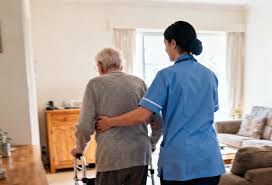

For many older adults, home is much more than a place to live—it’s where cherished memories were made, where family gathers, and where they feel most comfortable. As seniors age, the desire to remain in their own homes often grows even stronger. In fact, many older adults hope to age in place, continuing to live safely and independently in familiar surroundings for as long as possible.
However, age-related changes, chronic health conditions, or recovery from an illness or surgery can make everyday tasks more challenging. Activities that once required little thought—getting dressed, preparing a meal, or stepping into the shower—can become difficult or even unsafe.
This is where Occupational Therapy (OT) plays a vital role.
At Rehab On Wheels, we provide personalized in-home Occupational and Physical Therapy services throughout New York City, helping seniors regain confidence, improve daily function, and maintain their independence. For those who prefer in-clinic care, we also offer services at our locations in Brooklyn and Staten Island.
Occupational therapy isn’t about helping people find a job, as many assume. Instead, it’s about helping individuals participate in the “occupations” of everyday life—the activities that give them independence, purpose, and quality of life.
What Is Occupational Therapy?
Occupational therapy is a specialized healthcare service that helps people develop, recover, or maintain the skills needed to perform everyday activities safely and independently.
For seniors, occupational therapy focuses on improving the ability to complete essential daily tasks, including:
- Dressing
- Bathing
- Grooming
- Preparing meals
- Using the bathroom safely
- Managing medications
- Household chores
- Moving safely around the home
The goal is not simply to complete these activities—it is to help seniors continue doing them with confidence while preserving their independence.
Why Independence Matters for Older Adults
Maintaining independence is closely connected to overall health and well-being.
When seniors can continue managing their daily routines, they often experience:
- Greater self-confidence
- Improved mental health
- Increased physical activity
- Better quality of life
- Stronger sense of purpose
- Reduced dependence on family members
Even small improvements in daily function can have a meaningful impact on a person’s confidence and happiness.
Occupational therapy helps seniors remain active participants in their own lives rather than becoming dependent on others for routine activities.
Signs a Senior May Benefit from Occupational Therapy
Many families assume therapy is only necessary after a major injury or surgery. In reality, occupational therapy can benefit older adults experiencing gradual changes in their ability to perform daily tasks.
Some common signs include:
- Difficulty getting dressed
- Trouble bathing safely
- Challenges preparing meals
- Frequent loss of balance
- Difficulty using hands due to arthritis
- Increased fatigue during daily activities
- Recovering from a stroke
- Recovery after hip or knee replacement surgery
- Parkinson’s disease or other neurological conditions
- Fear of falling while performing everyday tasks
If these challenges are making daily life more difficult, occupational therapy may help restore confidence and independence.
How Occupational Therapy Supports Daily Living
Improving Self-Care Skills
Simple tasks such as brushing hair, buttoning a shirt, or putting on shoes can become difficult due to weakness, limited mobility, or joint pain.
Occupational therapists teach practical techniques that make these activities easier while helping seniors maintain as much independence as possible.
Rather than doing tasks for patients, therapists empower them with strategies that improve their ability to perform these tasks on their own.
Helping Seniors Recover After Illness or Surgery
Many older adults need additional support after:
- Stroke
- Hip replacement surgery
- Knee replacement surgery
- Hospitalization
- Fractures
Occupational therapy helps patients safely return to their normal routines by rebuilding functional skills needed for daily life.
Therapists work on activities such as:
- Safely getting in and out of bed
- Using the bathroom independently
- Preparing simple meals
- Managing household tasks
- Returning to hobbies and personal interests
The goal is to help seniors regain confidence as they recover.
Managing Arthritis and Chronic Pain
Arthritis can make everyday movements uncomfortable, particularly when using the hands, wrists, shoulders, or knees.
Occupational therapists teach joint protection techniques that reduce unnecessary strain while improving comfort.
They may recommend:
- Adaptive kitchen tools
- Modified techniques for dressing
- Energy-saving strategies
- Gentle exercises to improve flexibility and hand function
These adjustments can make everyday activities more manageable without increasing pain.
Supporting Seniors with Neurological Conditions
Conditions such as Parkinson’s disease and stroke often affect coordination, balance, and fine motor skills.
Occupational therapy focuses on helping patients adapt while maintaining as much independence as possible.
Treatment may include:
- Hand coordination exercises
- Fine motor skill training
- Safe transfer techniques
- Cognitive strategies for daily routines
- Adaptive equipment recommendations
These personalized interventions help seniors continue participating in meaningful activities despite physical limitations.
Home Safety Is an Important Part of Occupational Therapy
One of the greatest advantages of receiving occupational therapy at home is that therapists can evaluate the living environment directly.
During home visits, therapists identify safety concerns that may increase the risk of falls or injury.
Common recommendations include:
- Removing loose rugs
- Improving lighting throughout the home
- Installing grab bars in bathrooms
- Rearranging frequently used items for easier access
- Reducing clutter in walkways
- Recommending assistive devices when appropriate
These small changes can significantly improve safety while helping seniors feel more confident moving around their homes.
The Benefits of In-Home Occupational Therapy
Receiving therapy at home offers several unique advantages for seniors.
Personalized One-on-One Care
Every therapy session is tailored to the individual’s specific goals, challenges, and daily routines.
Real-Life Practice
Patients learn skills in the environment where they actually use them every day.
Greater Convenience
There is no need to arrange transportation or travel across New York City for appointments.
Better Long-Term Results
When therapy is practical and directly connected to daily life, seniors are often more engaged and more likely to continue using the strategies they learn.
How Occupational and Physical Therapy Work Together
Occupational Therapy and Physical Therapy complement one another, creating a comprehensive rehabilitation plan.
Physical Therapy focuses on improving:
- Strength
- Balance
- Walking ability
- Mobility
- Pain management
Occupational Therapy focuses on helping patients use those physical improvements to perform everyday activities safely and independently.
Together, these services help seniors regain both mobility and confidence, allowing them to enjoy a higher quality of life.
Supporting Family Caregivers
Occupational therapy also benefits family caregivers.
Therapists provide guidance on:
- Safe ways to assist with transfers
- Home modifications that reduce fall risks
- Encouraging independence without compromising safety
- Proper use of mobility aids
- Daily routines that support recovery
This education helps caregivers feel more confident while reducing physical strain and stress.
Independence Starts with the Right Support
Growing older doesn’t have to mean giving up the activities you love or relying on others for everyday tasks.
With the right support, many seniors can continue living safely and confidently at home while maintaining the independence that matters so much.
Whether you’re recovering from surgery, managing a chronic condition, or simply finding daily activities more challenging, occupational therapy can help you build the skills and confidence needed to live life on your own terms.
At Rehab On Wheels, we’re proud to support seniors throughout New York City, Brooklyn, and Staten Island with compassionate, personalized Occupational and Physical Therapy designed to help them age safely, actively, and independently.
Author: Catherine Morrissey, PT, DPT