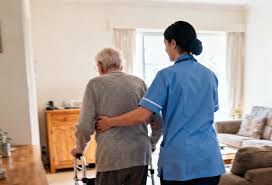

Living with arthritis can make even the simplest daily activities feel challenging. Whether it’s climbing stairs, opening a jar, taking a morning walk, or getting out of a chair, arthritis pain and joint stiffness can affect nearly every aspect of a person’s life. While many older adults believe they should avoid movement to protect their joints, the opposite is often true. One of the most effective ways to manage arthritis pain, improve joint mobility, and maintain independence is through gentle, low-impact exercise.
While resting is important during severe flare-ups, avoiding movement for long periods can actually make arthritis symptoms worse.
Staying active helps keep joints flexible, strengthens the muscles that support them, improves circulation, and reduces stiffness. It also promotes better balance, mobility, and overall well-being—allowing seniors to continue enjoying the activities they love.
At Rehab On Wheels, we help older adults throughout New York City manage arthritis through personalized in-home Physical and Occupational Therapy. Whether you’re experiencing arthritis in your knees, hips, shoulders, hands, or spine, our therapists develop individualized exercise programs that improve mobility while protecting your joints. We also provide care at our clinic locations in Brooklyn and Staten Island.
Understanding Arthritis
Arthritis is not a single disease but a group of conditions that affect the joints. The most common type among older adults is osteoarthritis, which occurs when the protective cartilage that cushions the ends of bones gradually wears away.
Common symptoms include:
- Joint pain
- Morning stiffness
- Swelling
- Reduced flexibility
- Difficulty walking
- Weakness around affected joints
- Pain during everyday activities
Although arthritis cannot be cured, it can often be managed successfully with the right combination of exercise, rehabilitation, healthy lifestyle habits, and medical care.
Why Exercise Helps Arthritis
Many people worry that exercise will increase joint damage. In reality, appropriately chosen exercises often help reduce pain rather than worsen it.
Regular movement provides several important benefits.
Keeps Joints Flexible
Moving your joints regularly helps maintain their range of motion and prevents stiffness from becoming worse.
When joints stay inactive for long periods, they often become tighter and more painful.
Strengthens Supporting Muscles
Strong muscles act as natural shock absorbers.
Building strength around painful joints reduces stress placed directly on the joint surfaces.
For example, strengthening the muscles surrounding the knees can significantly reduce knee pain caused by arthritis.
Improves Circulation
Exercise increases blood flow throughout the body, delivering oxygen and nutrients that help nourish muscles and surrounding tissues.
Improved circulation may also reduce inflammation and stiffness.
Supports Healthy Weight
Excess body weight places additional pressure on weight-bearing joints such as the knees, hips, ankles, and lower back.
Even modest weight loss can reduce joint stress and improve mobility.
Boosts Mood and Energy
Living with chronic pain can affect emotional well-being.
Exercise encourages the release of endorphins—your body’s natural “feel-good” chemicals—which can improve mood, reduce stress, and help manage chronic pain.
The Best Gentle Exercises for Arthritis
Not all exercises are appropriate for individuals with arthritis. High-impact activities may aggravate painful joints, while low-impact exercises can provide significant benefits with less stress on the body.
Here are some of the safest and most effective options.
1. Walking
Walking is one of the simplest and most effective exercises for arthritis.
Benefits include:
- Improves circulation
- Strengthens leg muscles
- Maintains joint mobility
- Supports heart health
- Increases endurance
Start with short walks—even 10 to 15 minutes a day—and gradually increase your distance as your comfort improves.
Comfortable, supportive shoes can also help reduce stress on your joints.
2. Range-of-Motion Exercises
These gentle movements help joints move through their full range without excessive strain.
Examples include:
- Shoulder circles
- Wrist rotations
- Ankle circles
- Knee bends
- Gentle neck stretches
Performing these exercises daily can help reduce stiffness, particularly in the morning.
3. Strength Training
Building muscle helps stabilize and protect arthritic joints.
Simple strengthening exercises may include:
- Chair squats
- Seated leg extensions
- Standing heel raises
- Wall push-ups
- Resistance band exercises
- Light hand weights (when appropriate)
A physical therapist can recommend the right level of resistance based on your individual needs.
4. Stretching
Stretching keeps muscles flexible and helps reduce tightness around painful joints.
Gentle stretches may target:
- Hamstrings
- Calves
- Hip flexors
- Shoulders
- Chest
- Hands and fingers
Stretch slowly and avoid bouncing. You should feel gentle tension—not pain.
5. Balance Exercises
Arthritis can affect stability, increasing the risk of falls.
Balance exercises help improve coordination and confidence.
Examples include:
- Standing on one foot while holding a sturdy chair
- Heel-to-toe walking
- Side stepping
- Weight shifting exercises
Improving balance can make everyday activities safer and easier.
6. Water-Based Exercise
Aquatic exercise is especially beneficial because water supports body weight, reducing stress on painful joints.
Activities may include:
- Water walking
- Gentle swimming
- Water aerobics
- Leg movements in waist-deep water
Many people find they can move more comfortably in water than on land.
7. Chair Exercises
For seniors with significant mobility limitations, chair exercises provide a safe way to remain active.
Examples include:
- Seated marching
- Arm raises
- Seated leg lifts
- Ankle pumps
- Shoulder rolls
- Gentle seated stretches
These exercises improve circulation, maintain flexibility, and strengthen muscles without placing excessive pressure on the joints.
8. Hand and Finger Exercises
Arthritis often affects the small joints of the hands, making everyday tasks more difficult.
Helpful exercises include:
- Opening and closing the hands
- Finger stretches
- Thumb-to-fingertip touches
- Gentle grip strengthening using a soft therapy ball
- Wrist mobility exercises
These movements can improve flexibility and help maintain hand function.
How Occupational Therapy Helps People with Arthritis
Occupational Therapy focuses on making everyday tasks easier and less painful.
An occupational therapist can teach strategies to reduce stress on painful joints, such as:
- Using larger joints instead of smaller ones when lifting
- Breaking activities into shorter sessions
- Using adaptive kitchen and household tools
- Learning energy conservation techniques
- Improving hand strength and coordination
These practical techniques allow seniors to continue performing daily activities while protecting their joints.
Why Personalized Physical Therapy Makes a Difference
Every person experiences arthritis differently.
The type of arthritis, affected joints, overall health, and activity level all influence the most appropriate treatment plan.
At Rehab On Wheels, our therapists create personalized exercise programs that help patients:
- Improve mobility
- Reduce pain
- Increase flexibility
- Strengthen muscles
- Improve balance
- Stay independent
Because therapy is provided in your own home, exercises are tailored to your living environment and daily routine, making them more practical and easier to maintain.
Tips for Exercising Safely with Arthritis
To get the most benefit while protecting your joints:
- Start slowly and increase activity gradually.
- Warm up before exercising and cool down afterward.
- Wear supportive footwear.
- Stay hydrated.
- Avoid high-impact activities if they increase pain.
- Listen to your body—mild soreness is normal, but sharp or persistent pain is not.
- Stay consistent. Regular movement is more beneficial than occasional intense exercise.
If you’re unsure where to begin, working with a Physical Therapist can help ensure you’re exercising safely and effectively.
Why Families Choose Rehab On Wheels
Our team of passionate Physical and Occupational Therapists, proudly provide personalized in-home Physical and Occupational Therapy across NYC, along with clinic-based care in Brooklyn and Staten Island.
Families trust Rehab On Wheels because we offer:
- Personalized one-on-one therapy
- Experienced Physical and Occupational Therapists
- Customized arthritis rehabilitation programs
- Convenient in-home therapy visits
- Senior-focused treatment plans
- Compassionate, patient-centered care
Our mission is to help older adults manage pain, improve mobility, and continue living active, independent lives.
Movement Is One of the Best Medicines for Arthritis
Living with arthritis doesn’t mean giving up the activities you enjoy. In fact, the right kind of movement can help you stay stronger, reduce pain, and improve your overall quality of life.
Whether you’re taking a short walk, performing gentle stretches, strengthening your muscles, or working with a therapist on a personalized exercise plan, every step toward staying active is a step toward healthier joints.
If arthritis pain is limiting your mobility, Rehab On Wheels is here to help. We proudly serve seniors throughout New York City with personalized in-home Physical and Occupational Therapy, as well as in-clinic care in Brooklyn and Staten Island.
Together, we’ll help you move with greater comfort, confidence, and independence.
Author: Catherine Morrissey, PT, DPT