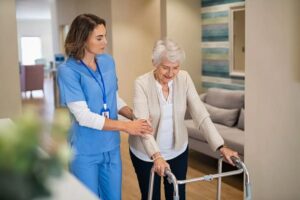
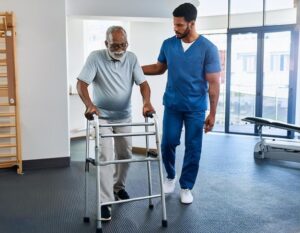
Growing older comes with many changes, but losing your ability to move comfortably and confidently doesn’t have to be one of them.
Many elderly people notice that everyday activities—walking around the neighborhood, climbing stairs, getting out of a chair, or carrying groceries—become more difficult over time. While these changes are common, they are not something you simply have to “live with.”
Age-related mobility challenges often develop gradually, making them easy to dismiss at first. A little stiffness in the morning, occasional balance issues, or needing extra time to stand up may seem like a normal part of aging. However, when left unaddressed, these small changes can lead to reduced independence, an increased risk of falls, and a lower quality of life.
The encouraging news is that Physical and Occupational Therapy can help older adults regain strength, improve mobility, and continue living active, independent lives.
At Rehab On Wheels, we specialize in providing personalized in-home Physical and Occupational Therapy throughout New York City, helping the elderly recover, stay active, and safely age in place. We also welcome patients at our clinic locations in Brooklyn and Staten Island for those who prefer in-clinic care.
Why Mobility Is So Important for Healthy Aging
Mobility affects nearly every aspect of daily life. It allows seniors to complete routine tasks, participate in social activities, and enjoy the independence they’ve worked hard to maintain.
Good mobility makes it easier to:
- Walk safely around the home
- Get in and out of bed
- Climb stairs
- Shop for groceries
- Visit family and friends
- Attend medical appointments
- Enjoy hobbies and recreational activities
When mobility begins to decline, even simple tasks can become physically demanding. Many seniors become less active because they’re afraid of falling or getting injured. Unfortunately, less movement often leads to weaker muscles, poorer balance, and even greater mobility limitations.
That’s why staying active—and seeking therapy when needed—is one of the best investments older adults can make in their long-term health.
Common Age-Related Mobility Challenges
1. Muscle Weakness
As we age, we naturally lose muscle mass and strength, a condition known as sarcopenia. This process can make it harder to perform everyday activities that were once effortless.
Signs of muscle weakness include:
- Difficulty standing from a seated position
- Trouble climbing stairs
- Reduced walking speed
- Fatigue after short periods of activity
- Difficulty carrying household items
Physical therapy uses targeted strengthening exercises to rebuild muscle, improve endurance, and make everyday movement easier.
2. Joint Pain and Arthritis
Arthritis is one of the leading causes of mobility limitations in elderly adults. Whether it’s osteoarthritis or another form of joint disease, pain and stiffness can discourage movement.
Common symptoms include:
- Swollen joints
- Morning stiffness
- Pain during movement
- Limited range of motion
While it may seem counterintuitive, appropriate movement often helps reduce arthritis pain.
A physical therapist can develop a personalized exercise program that strengthens the muscles surrounding affected joints, improves flexibility, and reduces discomfort without placing unnecessary stress on the body.
3. Balance Problems
Feeling unsteady while walking isn’t something seniors should ignore.
Balance problems may result from:
- Muscle weakness
- Inner ear disorders
- Medication side effects
- Neurological conditions
- Vision changes
Poor balance significantly increases the risk of falls, which are one of the leading causes of injury among older adults.
Balance therapy focuses on improving stability, coordination, posture, and reaction time, helping seniors move with greater confidence.
4. Walking Difficulties
Walking changes are often among the first signs of declining mobility.
Some seniors begin taking shorter steps, walking more slowly, or feeling less steady on uneven surfaces.
Walking difficulties may be caused by:
- Arthritis
- Muscle weakness
- Stroke
- Parkinson’s disease
- Joint replacements
- Balance disorders
Physical therapists perform gait assessments to identify movement patterns and develop exercises that improve walking efficiency, strength, and safety.
5. Recovery After Surgery
Many seniors undergo procedures such as hip replacement or knee replacement surgery to improve their quality of life.
However, surgery is only the beginning of recovery.
Without proper rehabilitation, patients may experience:
- Persistent stiffness
- Weakness
- Poor balance
- Limited mobility
- Delayed recovery
Physical therapy helps restore movement, strengthen muscles, improve flexibility, and safely return patients to their normal activities.
6. Stroke and Neurological Conditions
Conditions such as stroke and Parkinson’s disease often affect movement, coordination, and muscle control.
Patients may struggle with:
- Walking
- Standing
- Balance
- Arm and hand movement
- Daily activities
Specialized rehabilitation helps retrain movement patterns, improve coordination, and maximize independence.
How Physical Therapy Helps The Elderly Stay Mobile
Physical therapy focuses on improving movement, reducing pain, and restoring function.
Every treatment plan at Rehab On Wheels is personalized to the patient’s needs, health condition, and goals.
Common components of therapy include:
Strength Training
Building stronger muscles improves stability, walking ability, and endurance while reducing the risk of falls.
Flexibility Exercises
Gentle stretching improves joint mobility and reduces stiffness, making movement more comfortable.
Balance Training
Therapists use evidence-based exercises to improve stability, coordination, and confidence.
Gait Training
Walking patterns are evaluated and corrected to improve efficiency and safety.
Functional Movement Training
Patients practice everyday activities such as:
- Getting out of bed
- Standing from a chair
- Climbing stairs
- Walking around the home
- Safely navigating different surfaces
The goal is not simply to exercise—it is to make daily life easier and safer.
The Role of Occupational Therapy
While Physical Therapy focuses on improving movement, Occupational Therapy helps seniors remain independent during daily activities.
Occupational therapists work with patients to improve their ability to:
- Dress independently
- Bathe safely
- Prepare meals
- Perform household tasks
- Use adaptive equipment
- Conserve energy during activities
They also recommend home modifications that improve safety and reduce fall risks, allowing seniors to remain comfortable in their own homes.
Why In-Home Therapy Makes Recovery More Effective
Many seniors find traveling to therapy appointments physically demanding, especially after surgery or during recovery from illness.
Rehab On Wheels brings rehabilitation directly to patients throughout New York City.
In-home therapy offers several unique advantages:
Personalized One-on-One Care
Every therapy session is dedicated entirely to one patient, allowing for individualized treatment and close progress monitoring.
Therapy in a Familiar Environment
Practicing movement in the home makes therapy more practical and directly applicable to everyday life.
Increased Comfort and Convenience
Patients avoid transportation challenges and can focus their energy on recovery rather than travel.
Better Long-Term Results
When therapy is convenient and personalized, patients are more likely to stay consistent with treatment, leading to better outcomes.
Supporting Families Every Step of the Way
Mobility challenges affect more than just seniors—they also impact spouses, adult children, and caregivers.
Our therapists work closely with families by providing education on:
- Safe transfer techniques
- Fall prevention strategies
- Home safety improvements
- Exercise recommendations
- Supporting recovery between therapy sessions
This collaborative approach helps create a safer environment and gives caregivers greater confidence in supporting their loved ones.
Why Families Choose Rehab On Wheels
Founded in 2017 by a team of passionate Physical and Occupational Therapists, Rehab On Wheels was established to make high-quality rehabilitation services more accessible for seniors throughout New York City.
We proudly provide personalized in-home Physical and Occupational Therapy services across NYC, with clinic locations in Brooklyn and Staten Island for patients who prefer in-person care.
Families trust Rehab On Wheels because we provide:
- Personalized one-on-one therapy
- Experienced Physical and Occupational Therapists
- Convenient in-home rehabilitation
- Comprehensive mobility and balance assessments
- Fall prevention expertise
- Compassionate, patient-centered care
Our mission is to help seniors regain strength, improve mobility, and continue living safely and independently.
Take the First Step Toward Better Mobility
Mobility challenges may become more common with age, but they don’t have to define your future.
Whether you’re recovering from surgery, managing arthritis, experiencing balance problems, or simply noticing that everyday movement has become more difficult, professional rehabilitation can help you stay active and independent.
At Rehab On Wheels, we’re committed to helping seniors throughout New York City, Brooklyn, and Staten Island move with greater confidence and enjoy a better quality of life through personalized Physical and Occupational Therapy.
Author: Catherine Morrissey, PT, DPT