A stroke can change a person’s life in an instant.
One day, simple tasks like walking across the room, holding a cup of coffee, getting dressed, or having a conversation feel effortless. The next, those same activities may require significant effort, patience, and support.
For stroke survivors and their families, the recovery journey often begins in the hospital. However, what many people don’t realize is that some of the most important rehabilitation happens after returning home.
Recovery from a stroke is not measured in days or weeks. It is a gradual process that often continues for months and even years. With the right rehabilitation program, many stroke survivors can regain strength, improve mobility, rebuild confidence, and achieve a higher level of independence.
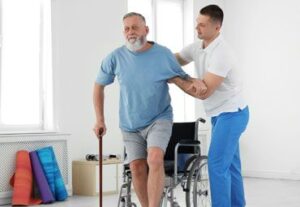
At Rehab On Wheels, we provide personalized in-home Physical and Occupational Therapy services throughout New York City, Brooklyn, and Staten Island, helping stroke survivors continue their recovery in the place they feel most comfortable—their home.
Understanding the Challenges of Stroke Recovery
Every stroke affects the brain differently, which means every recovery journey is unique.
Some individuals experience mild weakness, while others may face more significant challenges involving movement, balance, coordination, speech, or daily activities.
Common effects of a stroke include:
- Muscle weakness on one side of the body
- Difficulty walking
- Poor balance and coordination
- Reduced endurance
- Joint stiffness
- Difficulty using the hands and arms
- Challenges with dressing, bathing, or cooking
- Increased fall risk
- Reduced confidence and independence
These challenges can feel overwhelming, especially during the first few months after a stroke.
The good news is that the brain has an incredible ability to adapt and create new pathways through a process known as neuroplasticity. Rehabilitation therapy helps encourage this process by repeatedly practicing meaningful movements and activities.
Why Rehabilitation Should Continue at Home
Many stroke survivors receive therapy while in the hospital or rehabilitation facility. However, recovery doesn’t stop after discharge.
In fact, some of the most meaningful progress happens once patients return home and begin applying therapy techniques to everyday life.
Home-based rehabilitation allows patients to practice skills in real-world situations, such as:
- Walking through hallways
- Getting in and out of bed
- Navigating stairs
- Preparing meals
- Using the bathroom safely
- Managing household activities
By focusing on practical daily tasks, rehabilitation becomes more relevant and effective.
How Physical Therapy Helps Stroke Survivors Regain Mobility
Physical therapy is one of the most important components of stroke recovery.
The primary goal is to help patients improve movement, strength, balance, and coordination so they can function more independently.
Rebuilding Strength
After a stroke, weakened muscles can make simple movements difficult.
Physical therapists develop individualized exercise programs designed to strengthen affected muscles and improve overall physical function.
Improving Walking Ability
Many stroke survivors experience changes in their walking pattern.
Physical therapy focuses on:
- Gait training
- Balance exercises
- Leg strengthening
- Endurance building
- Coordination exercises
These interventions help patients walk more safely and confidently.
Preventing Falls
Fall prevention is a critical part of stroke rehabilitation.
Therapists work with patients to improve stability while also identifying potential hazards in the home that may increase fall risks.
The Role of Occupational Therapy After a Stroke
While physical therapy focuses on movement, occupational therapy helps patients regain the ability to perform everyday activities.
For many stroke survivors, tasks that were once automatic can suddenly become challenging.
Occupational therapy addresses activities such as:
- Dressing
- Bathing
- Grooming
- Meal preparation
- Household management
- Using adaptive equipment
The goal is to help individuals perform these tasks safely while maximizing independence.
At Rehab On Wheels, our occupational therapists create personalized strategies that fit each patient’s abilities and lifestyle.
The Benefits of In-Home Stroke Rehabilitation
For many seniors, traveling to outpatient therapy appointments can be physically exhausting and stressful.
In-home rehabilitation offers several advantages.
Personalized One-on-One Care
Every session focuses entirely on the patient’s individual needs, goals, and recovery progress.
Familiar Environment
Patients often feel more comfortable practicing exercises and daily activities in their own homes.
Real-Life Functional Training
Therapy takes place in the environment where patients actually live, allowing therapists to address specific challenges within the home.
Greater Consistency
Without transportation barriers, patients are often able to attend therapy more consistently, which supports better outcomes.
Supporting Emotional Recovery After a Stroke
Stroke recovery involves much more than physical healing.
Many survivors experience:
- Anxiety
- Frustration
- Depression
- Fear of falling
- Loss of confidence
These emotional challenges are completely normal.
A compassionate rehabilitation team helps patients celebrate small victories and build confidence throughout the recovery process.
At Rehab On Wheels, we understand that every step forward matters. Whether it’s walking independently across a room or preparing a meal without assistance, each achievement contributes to greater independence and quality of life.
How Family Caregivers Play a Vital Role
Family members are often essential partners in stroke recovery.
Caregivers provide encouragement, emotional support, and assistance with daily tasks. However, caregiving can also feel overwhelming without proper guidance.
Our therapists work closely with family members to provide education on:
- Safe transfer techniques
- Mobility assistance
- Fall prevention strategies
- Home safety recommendations
- Recovery expectations
By involving caregivers in the rehabilitation process, we help create a supportive environment that promotes long-term success.
Stroke Recovery Is a Marathon, Not a Sprint
One of the biggest misconceptions about stroke recovery is that progress only happens during the first few months.
In reality, many stroke survivors continue making meaningful improvements long after their initial rehabilitation period.
Consistent therapy, regular movement, and continued practice can help patients:
- Improve strength
- Increase mobility
- Enhance balance
- Build endurance
- Regain independence
Every recovery journey is different, but ongoing rehabilitation can make a significant difference in long-term outcomes.
Why Families Choose Rehab On Wheels
Founded in 2017 by a team of passionate Physical and Occupational Therapists, Rehab On Wheels was created to make high-quality rehabilitation services more accessible to seniors throughout New York City.
We proudly provide personalized in-home rehabilitation services across NYC, along with clinic-based care in Brooklyn and Staten Island.
Families trust Rehab On Wheels because we offer:
- Personalized one-on-one therapy
- Experienced Physical and Occupational Therapists
- Stroke rehabilitation programs tailored to individual goals
- Convenient in-home therapy services
- Compassionate senior-focused care
- Family caregiver education and support
Our mission is to help stroke survivors regain independence, improve mobility, and achieve the highest possible quality of life.
Schedule a Stroke Rehabilitation Evaluation
If you or a loved one is recovering from a stroke, professional rehabilitation can make a meaningful difference in the recovery journey.
Rehab On Wheels provides personalized Physical and Occupational Therapy services throughout New York City, including Brooklyn and Staten Island, helping stroke survivors recover safely and confidently at home.
The road to recovery may take time, but with the right support, progress is always possible.
Author: Catherine Morrissey, PT, DPT