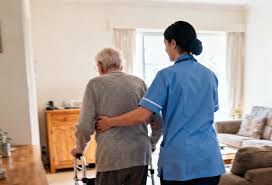
Receiving a diagnosis of Parkinson’s disease can feel overwhelming—not only for the person diagnosed but also for their family and loved ones. Questions about the future often arise almost immediately. Will I still be able to walk on my own? Will I lose my independence? Can I continue doing the activities I enjoy?
These concerns are completely understandable. Parkinson’s disease is a progressive neurological disorder that affects movement, balance, coordination, and muscle control. As symptoms gradually develop, everyday activities such as walking, climbing stairs, getting dressed, or even turning over in bed can become more challenging.
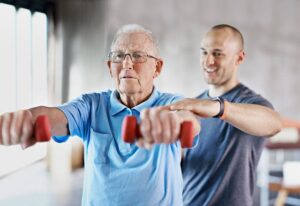
One of the greatest benefits of exercise is that it addresses many of the symptoms Parkinson’s disease can cause. It helps improve posture, strengthens muscles that support walking, increases flexibility, enhances balance, and improves coordination. It also helps reduce stiffness, which is one of the most common complaints among people living with Parkinson’s. As mobility improves, many individuals find they have greater confidence performing everyday activities, from walking through the grocery store to enjoying time with family and friends.
How Parkinson’s Disease Affects Mobility
Parkinson’s disease affects the brain’s ability to produce dopamine, a chemical messenger that helps control smooth, coordinated movement. As dopamine levels gradually decline, communication between the brain and muscles becomes less efficient. This makes movements slower, stiffer, and more difficult to control.
While Parkinson’s progresses differently for every individual, many people begin to notice subtle changes in the way they move long before mobility becomes significantly affected.
Some of the most common mobility challenges include:
- Slower walking speed
- Shorter, shuffling steps
- Difficulty turning around
- Reduced arm swing while walking
- Muscle stiffness
- Poor posture
- Difficulty standing up from a chair
- Problems with balance and coordination
- Episodes of “freezing,” where the feet feel temporarily stuck to the floor
These symptoms can make everyday tasks more physically demanding and increase the risk of falls. Many people begin avoiding activities because they worry about losing their balance or becoming injured. Unfortunately, avoiding movement often leads to weaker muscles, reduced flexibility, and an even greater decline in mobility.
This is exactly why staying physically active is so important. The body is designed to move, and movement remains one of the most effective tools for preserving function in people living with Parkinson’s disease.
Why Exercise Is One of the Best Treatments for Parkinson’s Disease
Years ago, people with Parkinson’s disease were often encouraged to take it easy and conserve their energy. Today, research tells a very different story.
Exercise is now considered one of the most important non-medication treatments for Parkinson’s disease. While it cannot stop the disease from progressing, it can help slow the loss of physical function, improve movement, and support overall health.
Regular exercise helps by:
- Improving walking ability
- Increasing muscle strength
- Enhancing flexibility
- Reducing muscle stiffness
- Improving posture
- Increasing balance and coordination
- Reducing the risk of falls
- Improving endurance
- Supporting heart health
- Boosting mood and mental well-being
Perhaps most importantly, exercise encourages neuroplasticity—the brain’s remarkable ability to form new connections and adapt. Although Parkinson’s disease affects dopamine-producing cells, consistent physical activity helps the brain strengthen alternative pathways that support movement and coordination.
Simply put, movement helps keep the brain engaged, making it easier for the body to respond to everyday physical demands.
Best Exercises for People Living with Parkinson’s Disease
The most effective exercise program combines several different types of movement. Rather than focusing on only one area, a balanced routine helps improve strength, flexibility, balance, endurance, and coordination.
Every exercise program should be tailored to the individual’s abilities and symptoms, which is why working with a Physical Therapist is highly recommended.
1. Walking Exercises
Walking remains one of the best forms of exercise for individuals with Parkinson’s disease.
Regular walking helps improve:
- Walking speed
- Stride length
- Cardiovascular fitness
- Leg strength
- Endurance
Therapists often encourage patients to focus on taking larger, more deliberate steps while maintaining good posture and allowing the arms to swing naturally.
For individuals who experience freezing episodes, therapists may introduce visual or verbal cues that make it easier to restart movement.
2. Strength Training
Muscle weakness contributes to reduced mobility and balance problems.
Strength training helps build the muscles needed for everyday activities like standing, climbing stairs, and getting out of a chair.
Common strengthening exercises include:
- Sit-to-stand exercises
- Seated leg extensions
- Mini squats
- Heel raises
- Resistance band exercises
- Step-ups
- Wall push-ups
Building stronger muscles helps reduce fatigue and improves overall stability.
3. Balance Training
Balance problems are one of the biggest contributors to falls among people living with Parkinson’s disease.
Physical therapists use targeted balance exercises to improve coordination and stability.
Examples include:
- Standing on one leg while holding a sturdy surface
- Heel-to-toe walking
- Side-stepping exercises
- Weight-shifting activities
- Reaching exercises
- Controlled turning practice
Improving balance helps individuals move more confidently throughout their homes and communities.
4. Stretching and Flexibility Exercises
Muscle stiffness is one of the hallmark symptoms of Parkinson’s disease.
Gentle stretching can improve flexibility while making movement feel smoother and more comfortable.
Areas commonly stretched include:
- Neck
- Shoulders
- Chest
- Back
- Hips
- Hamstrings
- Calves
Stretching also promotes better posture, helping counteract the forward-leaning position that many people with Parkinson’s gradually develop.
5. Posture Exercises
Poor posture often develops gradually as Parkinson’s progresses.
Exercises that strengthen the upper back, shoulders, and core muscles help patients stand taller and breathe more efficiently.
Good posture also improves walking mechanics and reduces fatigue during daily activities.
6. Functional Mobility Training
Rather than exercising only on a therapy table, Rehab On Wheels focuses on movements that patients use every day.
These may include:
- Getting in and out of bed
- Rising safely from a chair
- Climbing stairs
- Carrying groceries
- Reaching into cabinets
- Turning around safely
- Walking through narrow hallways
Practicing real-life movements makes therapy more meaningful and directly improves daily independence.
7. Hand and Fine Motor Exercises
Parkinson’s disease often affects hand coordination, making simple tasks more difficult.
Occupational therapists work with patients on exercises that improve:
- Grip strength
- Finger dexterity
- Writing
- Buttoning clothing
- Using utensils
- Opening containers
Maintaining hand function allows seniors to continue performing everyday self-care activities with greater confidence.
How Personalized Therapy Supports Long-Term Mobility
Exercise is most effective when it is combined with a personalized rehabilitation plan. While general exercise programs can be beneficial, Parkinson’s disease affects everyone differently. Some individuals struggle more with balance, while others may experience stiffness, slower walking, or difficulty using their hands.
At Rehab On Wheels, every rehabilitation program is designed around the patient’s unique symptoms, abilities, and personal goals. Our licensed Physical and Occupational Therapists perform comprehensive assessments before creating an individualized treatment plan that evolves as the patient’s needs change.
This personalized approach allows therapy to remain both safe and effective, ensuring patients continue making progress while reducing the risk of injury or falls.
Our therapists regularly monitor improvements in:
- Walking speed and endurance
- Balance and coordination
- Muscle strength
- Flexibility
- Posture
- Functional mobility
- Ability to perform daily activities independently
As patients improve, therapy is adjusted to introduce new challenges that encourage continued progress and long-term success.
The Role of Occupational Therapy in Parkinson’s Rehabilitation
While Physical Therapy focuses on improving movement, Occupational Therapy helps individuals continue performing the activities that matter most in everyday life.
As Parkinson’s disease progresses, routine tasks that once seemed simple can become frustrating.
An Occupational Therapist helps patients develop practical strategies to continue performing activities such as:
- Getting dressed
- Bathing safely
- Preparing meals
- Using eating utensils
- Writing
- Managing medications
- Using electronic devices
- Completing household chores
Occupational therapists may also recommend adaptive equipment that makes everyday activities easier while reducing strain and improving safety.
In addition, they teach energy conservation techniques that help patients complete daily tasks without becoming overly fatigued.
The goal is not simply to complete these activities but to help seniors remain as independent and confident as possible.
Why In-Home Parkinson’s Rehabilitation Makes a Difference
Traveling to appointments can become increasingly difficult for individuals living with Parkinson’s disease. Muscle stiffness, balance problems, freezing episodes, and fatigue may make leaving home physically and emotionally exhausting.
That’s why Rehab On Wheels brings rehabilitation directly to patients throughout New York City.
Receiving therapy in the home provides several important advantages.
Therapy Happens Where Life Happens
Rather than practicing movements in an unfamiliar clinic, patients work on the activities they perform every day.
Our therapists can help patients safely:
- Walk through hallways
- Navigate stairs
- Get in and out of bed
- Use the bathroom safely
- Enter and exit the home
- Move around the kitchen
- Practice transfers using their own furniture
This real-world approach helps patients feel more confident in their own environment.
Home Safety Evaluations
Falls are one of the greatest concerns for individuals living with Parkinson’s disease.
Our therapists evaluate the home for hazards such as:
- Loose rugs
- Poor lighting
- Cluttered walkways
- Unsafe furniture placement
- Difficult stairways
We provide practical recommendations that improve safety while allowing patients to continue living comfortably at home.
Personalized One-on-One Attention
Unlike busy rehabilitation facilities where therapists may divide attention among several patients, every Rehab On Wheels session is dedicated entirely to one individual.
This allows our therapists to:
- Monitor symptoms closely
- Adjust exercises immediately
- Answer questions
- Provide hands-on guidance
- Build strong therapeutic relationships
This personalized attention often leads to better outcomes and greater patient confidence.
Lifestyle Tips for Staying Active with Parkinson’s Disease
Exercise works best when it becomes part of a healthy daily routine.
In addition to participating in rehabilitation therapy, individuals living with Parkinson’s disease can support their mobility by:
- Staying physically active every day, even if it’s just a short walk.
- Following their therapist’s home exercise program consistently.
- Stretching regularly to reduce stiffness.
- Practicing good posture throughout the day.
- Wearing supportive, non-slip footwear.
- Drinking plenty of water to stay hydrated.
- Eating a balanced, nutritious diet.
- Getting enough restful sleep.
- Using mobility aids when recommended.
- Attending regular medical and therapy appointments.
Small daily habits often make a significant difference over time.
Why Families Choose Rehab On Wheels
Founded in 2017 by a team of passionate Physical and Occupational Therapists, Rehab On Wheels was established to make high-quality rehabilitation services more accessible to seniors throughout New York City.
We proudly provide personalized in-home rehabilitation services across NYC, along with clinic-based care in Brooklyn and Staten Island.
Families choose Rehab On Wheels because we provide:
- Personalized one-on-one Physical and Occupational Therapy
- Experienced therapists specializing in neurological rehabilitation
- Convenient in-home therapy visits
- Individualized Parkinson’s rehabilitation programs
- Compassionate, patient-centered care
- Comprehensive fall prevention and mobility training
Our mission is to help every patient regain confidence, improve mobility, and continue living independently for as long as possible.
Conclusion
Although Parkinson’s disease is a progressive condition, losing your independence is not inevitable. With early intervention, regular exercise, and personalized rehabilitation, many people continue to walk confidently, perform daily activities, and enjoy an active lifestyle for years after diagnosis.
If you or someone you love has been diagnosed with Parkinson’s disease, don’t wait for symptoms to become more limiting before seeking help. The sooner rehabilitation begins, the greater the opportunity to maintain strength, flexibility, balance, and independence.
At Rehab On Wheels, we’re honored to support seniors and their families throughout New York City with expert in-home Physical and Occupational Therapy, as well as in-clinic care in Brooklyn and Staten Island. Our compassionate team is committed to helping every patient move with greater confidence, maintain their independence, and continue enjoying the activities that make life meaningful.
Author: Catherine Morrissey, PT, DPT