
Most people think about Physical Therapy after something happens.
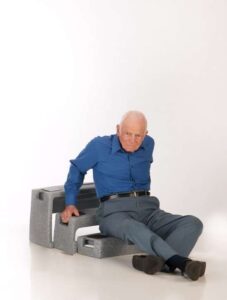
A fall.
An injury.
A surgery.
A hospitalization.
But what if rehabilitation could also play a role before a major problem occurs?
That question is becoming increasingly important in geriatric rehabilitation. In 2026, the American Physical Therapy Association’s Academy of Geriatric Physical Therapy published a perspective calling attention to the value of annual mobility assessments for aging adults. The goal is to identify subtle mobility limitations early, before they become more serious functional problems.
For older adults, this represents a different way of thinking about Physical Therapy.
Instead of waiting for mobility to deteriorate significantly, a senior can periodically evaluate how well they are moving and address small changes while they are still manageable.
What Is an Elder Mobility Assessment?
A mobility assessment is not simply a test of whether someone can walk.
Physical Therapists can look at several aspects of physical function, including:
- Walking ability
- Lower-body strength
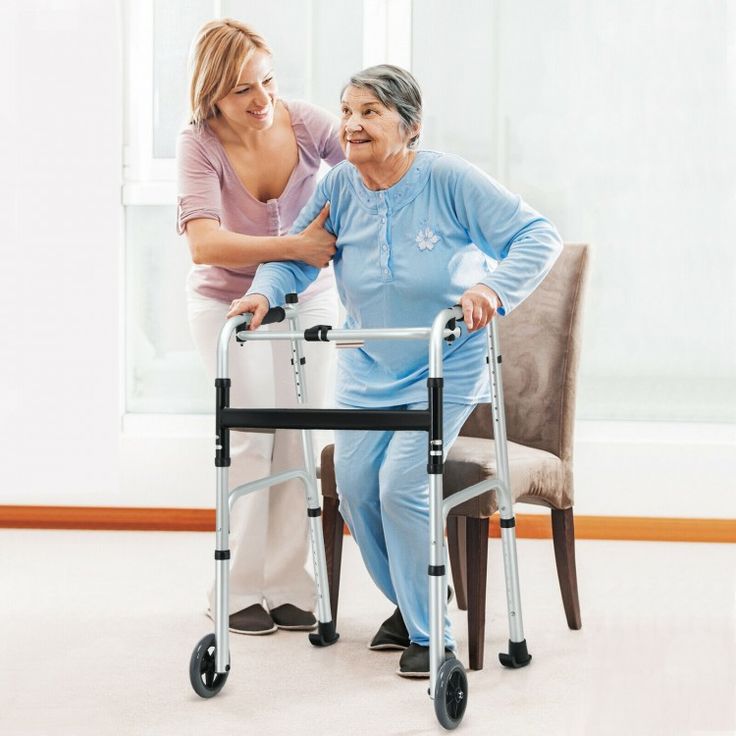
- Ability to rise from a chair
- Walking speed
- Balance and coordination
- Joint movement
- Endurance
- Functional movement
- Ability to perform everyday activities
- Changes in physical performance over time
The purpose is to understand how an older adult is functioning now and whether there are early signs that additional support may be useful.
A mobility assessment can be especially valuable because some changes are so gradual that seniors and their families may not recognize them as a problem.
What Are Early Signs of Mobility Decline?
Mobility problems do not always begin with a dramatic event.
Sometimes the earliest signs are surprisingly subtle.
A senior may:
- Take longer to get dressed
- Need more effort to stand from a chair
- Walk more slowly than before
- Avoid longer outings
- Take more frequent breaks
- Hold onto furniture while moving around the home
- Have difficulty carrying groceries
- Avoid certain household chores
- Become less physically active
- Need more time to get ready in the morning
These changes do not necessarily mean that an older adult has a serious mobility disorder.
But they can provide useful information.
Current geriatric Physical Therapy discussions increasingly describe these subtle changes as potential early indicators of functional decline, reinforcing the value of identifying problems before they become obvious disabilities.
Why Waiting for a Fall May Be Too Late
Falls are an important reason seniors are referred to Physical Therapy, but rehabilitation does not have to begin after a fall.
Strength, walking ability, physical activity, coordination, and functional performance can change gradually.
If those changes are recognized early, a therapist may be able to recommend appropriate strategies before the person experiences a major setback.
This is part of a broader movement toward prevention-focused rehabilitation.
In July 2026, APTA and Hartford HealthCare announced a pilot focused on early frailty identification and intervention, positioning Physical Therapists within a prevention-oriented model of care designed to help preserve independence and aging in place.
Why Small Changes Matter
Imagine an older adult who could comfortably walk around the neighborhood two years ago.
Today, they still walk, but only for half the distance.
They now stop several times.
They avoid hills.
They take the car for short trips they previously walked.
Nothing dramatic has happened.
There has been no fall or major injury.
Yet something has changed.
That gradual reduction in activity may be worth discussing with a healthcare professional because reduced activity and declining physical capacity can reinforce one another.
A mobility assessment provides an opportunity to identify what may be contributing to the change.
What Happens During a Mobility Evaluation?
A Physical Therapist will typically consider the person’s overall movement and functional abilities rather than focusing on one isolated exercise.
The evaluation may include observation of:
Standing and Sitting
How easily can the person get up from a chair?
Do they need to use their arms?
Do they have difficulty controlling the movement?
Walking
How does the person walk?
Are their steps consistent?
Do they appear to have difficulty changing direction or navigating different surfaces?
Strength
Are certain muscle groups noticeably weaker?
Is weakness affecting everyday tasks?
Functional Movement
Can the person perform movements that are important to their daily routine?
This might include reaching, turning, stepping, transferring, or carrying an object.
Activity Tolerance
How does the person respond to physical activity?
Do ordinary tasks require frequent rest?
The specific assessment will depend on the individual and the therapist’s clinical judgment.
A Mobility Check Is Not About “Passing” or “Failing”
One important point is that an assessment is not a school test.
There is no need for an older adult to prove that they are still as capable as they were ten years ago.
The purpose is to establish a realistic picture of their current function.
That information can then help guide decisions about physical activity, rehabilitation, medical follow-up, or other appropriate support.
For some seniors, the assessment may simply provide reassurance that they are doing well.
For others, it may identify an opportunity to make positive changes.
How Physical Therapy Can Respond to Early Changes
If an evaluation identifies areas that could be improved, therapy can be tailored to the person’s needs.
Treatment may include:
- Strengthening exercises
- Walking practice
- Functional movement training
- Mobility exercises
- Endurance activities
- Education about physical activity
- Home exercise recommendations
- Strategies for maintaining physical function
The focus should be on meaningful goals.
For one senior, that might mean being able to walk around the block.
For another, it could mean getting up from a dining chair more easily.
Someone else may want to remain active enough to continue shopping independently or visiting friends.
Why In-Home Assessment Can Be Valuable
A senior may move differently in a clinic than they do at home.
At home, they may encounter narrow spaces, different flooring, furniture, stairs, bathrooms, kitchens, and other environmental factors that affect how they move.
In-home Physical Therapy gives the therapist an opportunity to see these real-world challenges.
This can be particularly useful for seniors who have difficulty traveling to appointments.
At Rehab On Wheels, in-home rehabilitation allows therapy to take place within the environment where many everyday activities actually occur.
Family Members Can Watch for Changes Too
Family members often notice functional changes before an older adult does.
Perhaps a parent has stopped carrying laundry upstairs.
Maybe a spouse is taking longer to get dressed.
A loved one who once enjoyed walking around the neighborhood may now spend most of the day sitting.
These changes should not automatically be interpreted as a medical problem.
But they can be useful reasons to start a conversation.
Rather than waiting until a serious event occurs, families can ask whether a mobility evaluation or discussion with a healthcare provider would be appropriate.
Preventive Physical Therapy Is Becoming More Important
Modern geriatric rehabilitation is increasingly focused on maintaining function rather than only treating disability after it occurs.
A 2026 review of geriatric Physical Therapy highlighted prevention, functional performance, strength training, environmental adaptation, healthy aging, and aging in place as important parts of the field’s future direction.
This approach fits an important goal for many older adults: staying capable of doing the things they value for as long as possible.
Mobility Assessments for Seniors in NYC
At Rehab On Wheels, Physical Therapy is not limited to recovery after an injury.
Our approach is centered on helping older adults maintain function, independence, and participation in everyday life.
For seniors in Brooklyn and Staten Island, as well as older adults receiving in-home rehabilitation throughout New York City, an individualized assessment can help identify areas where movement or physical function may need additional attention.
For seniors who have difficulty traveling, receiving therapy at home can make proactive rehabilitation more accessible and allow treatment to be connected directly to everyday routines.
Rehab On Wheels
174 Bay 29th St. Suite #C1
Brooklyn, NY 11214
Phone: 718-395-7445
Fax: 718-889-6707
Office Hours: Monday-Friday, 9 AM-5 PM
Therapy Hours: Monday-Sunday, 8 AM-8 PM
Conclusion
Physical Therapy does not always have to begin after something goes wrong.
For older adults, a proactive approach can help identify subtle changes in strength, walking, endurance, and functional performance before they become major obstacles to independence.
A mobility assessment is not about predicting the future or labeling someone as frail. It is about understanding where a person is today and determining whether there are practical steps that could help them maintain their abilities.
For seniors and families in NYC, that shift from reacting to problems to identifying them early may be an important part of healthy aging.
Author: Catherine Morrissey, PT, DPT