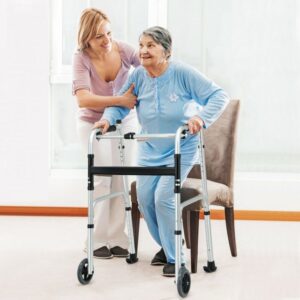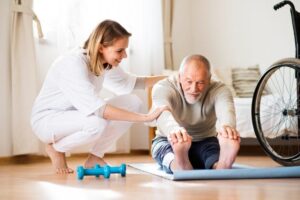
Living with arthritis doesn’t mean you have to stop doing the things you love. While stiff joints and chronic pain can make everyday activities feel more difficult, staying active is one of the best ways to manage arthritis and maintain your independence.
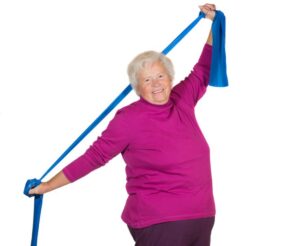
Many older adults worry that exercise will make their joint pain worse. In reality, the opposite is often true. The right kind of movement can help reduce pain, improve flexibility, strengthen the muscles that support your joints, and make daily activities easier. The key is choosing low-impact activities that keep your body moving without placing unnecessary stress on your knees, hips, hands, or spine.
Whether you’re living with osteoarthritis, rheumatoid arthritis, or another joint condition, regular physical activity can improve both your physical health and your confidence. Even small amounts of movement performed consistently can make a noticeable difference over time.
Why Exercise Is Important for Arthritis
When your joints hurt, resting may seem like the best solution. While it’s important to avoid activities that cause significant pain, too much inactivity can actually make arthritis symptoms worse.
Without regular movement, muscles become weaker, joints become stiffer, and flexibility decreases. Over time, this can make walking, climbing stairs, standing up, and even getting dressed more difficult.
Regular low-impact exercise offers many benefits, including:
- Reducing joint stiffness
- Improving flexibility
- Strengthening the muscles that support the joints
- Increasing balance and coordination
- Improving circulation
- Helping maintain a healthy weight
- Reducing the risk of falls
- Supporting heart health
- Boosting mood and energy levels
The goal isn’t to exercise harder—it’s to move more consistently in ways that feel safe and comfortable.
1. Walking
Walking is one of the easiest and most effective exercises for seniors with arthritis.
It helps improve:
- Joint mobility
- Leg strength
- Balance
- Endurance
- Cardiovascular health
Walking also lubricates the joints by encouraging the movement of synovial fluid, which helps reduce stiffness.
If you’re new to exercise, start with short walks and gradually increase your distance as your strength and endurance improve.
2. Gentle Stretching
Stretching helps maintain flexibility and reduces the tightness that often accompanies arthritis.
Gentle stretches can improve movement in the:
- Neck
- Shoulders
- Back
- Hips
- Knees
- Ankles
- Hands and fingers
Stretch slowly and avoid bouncing or forcing a joint beyond its comfortable range of motion.
Daily stretching can make simple activities like reaching, bending, and turning much easier.
3. Chair Exercises
Chair exercises are an excellent option for seniors with balance concerns or limited mobility.
They provide a safe way to stay active while reducing pressure on painful joints.
Examples include:
- Seated leg lifts
- Marching while seated
- Arm raises
- Shoulder rolls
- Ankle circles
- Seated core exercises
These movements improve circulation, muscle strength, and joint flexibility without placing excessive strain on the body.
4. Water-Based Exercise
Water supports the body’s weight, reducing stress on painful joints while allowing greater freedom of movement.
Aquatic exercise is especially beneficial for individuals with arthritis in the knees, hips, or spine.
Activities may include:
- Water walking
- Gentle swimming
- Water aerobics
- Range-of-motion exercises in the pool
The natural resistance of water also helps build strength without the impact associated with land-based exercise.
5. Strength Training
Strong muscles provide better support for arthritic joints.
Gentle strengthening exercises can reduce joint stress while improving stability and function.
Examples include:
- Sit-to-stand exercises
- Mini squats
- Heel raises
- Resistance band exercises
- Wall push-ups
- Step-ups
Strength training should always be performed with proper technique and progressed gradually.
6. Balance Exercises
Many seniors with arthritis feel less steady because painful joints affect posture and walking patterns.
Improving balance helps reduce the risk of falls while increasing confidence.
Simple balance exercises include:
- Standing on one foot while holding a sturdy surface
- Heel-to-toe walking
- Side-stepping
- Weight-shifting exercises
- Standing marches
A Physical Therapist can recommend exercises that match your ability level and ensure you practice them safely.
7. Tai Chi
Tai Chi combines slow, controlled movements with deep breathing and gentle weight shifting.
Research has shown that Tai Chi may help improve:
- Balance
- Flexibility
- Joint mobility
- Coordination
- Mental well-being
Because the movements are smooth and low impact, many older adults with arthritis find Tai Chi to be both enjoyable and therapeutic.
8. Hand and Finger Exercises
Arthritis often affects the small joints of the hands, making it difficult to grip objects, write, cook, or button clothing.
Gentle hand exercises may include:
- Finger bends
- Thumb stretches
- Gentle fist opening and closing
- Squeezing a soft therapy ball
- Finger lifts on a tabletop
Occupational Therapists often recommend these exercises to maintain hand strength and improve daily function.
How Physical Therapy Helps Manage Arthritis
Physical Therapy is one of the most effective non-surgical treatments for arthritis.
Rather than offering a one-size-fits-all program, a Physical Therapist creates an exercise plan based on your specific joints affected, mobility level, pain, and lifestyle.
Treatment may include:
- Joint mobility exercises
- Stretching
- Strength training
- Balance training
- Gait training
- Pain management techniques
- Posture correction
- Home exercise programs
The goal is to help you move with less pain and greater confidence.
The Role of Occupational Therapy
Occupational Therapy focuses on making everyday activities easier and less painful.
An Occupational Therapist can teach strategies for:
- Protecting painful joints
- Using adaptive equipment
- Improving hand function
- Conserving energy
- Modifying household tasks
- Reducing strain during daily activities
These practical solutions help seniors remain independent while managing arthritis symptoms.
Why In-Home Therapy Benefits Seniors with Arthritis
Traveling to appointments can be difficult when you’re dealing with joint pain and stiffness.
That’s why Rehab On Wheels brings rehabilitation directly to patients throughout New York City.
Receiving therapy at home allows our therapists to:
- Assess your home environment
- Create exercises using your own furniture and surroundings
- Recommend home modifications
- Practice everyday movements
- Provide one-on-one attention
Home-based therapy makes rehabilitation more convenient while addressing the real-life challenges you face every day.
Tips for Exercising Safely with Arthritis
To get the most benefit from exercise while protecting your joints:
- Start slowly and increase activity gradually.
- Warm up before exercising and cool down afterward.
- Wear supportive footwear.
- Stay hydrated.
- Listen to your body—mild muscle soreness is normal, but sharp or severe pain is not.
- Take breaks when needed.
- Stay consistent rather than exercising intensely once in a while.
- Follow the guidance of your Physical or Occupational Therapist.
Remember, consistency is more important than intensity. Even 20 to 30 minutes of gentle movement most days of the week can lead to meaningful improvements.
Keep Moving, Even with Arthritis
Arthritis may change the way your joints feel, but it doesn’t have to prevent you from living an active and fulfilling life. Choosing low-impact activities and working with experienced rehabilitation professionals can help you reduce pain, improve mobility, and maintain your independence.
If you’re living with arthritis and aren’t sure which exercises are right for you, the team at Rehab On Wheels is here to help. Our personalized Physical and Occupational Therapy programs are designed to meet you where you are—whether that’s in your home or at one of our clinics.
Schedule an Appointment Today
Take the first step toward moving with greater comfort and confidence. Contact Rehab On Wheels to schedule a personalized evaluation and learn how our in-home rehabilitation services throughout New York City, along with our clinics in Brooklyn and Staten Island, can help you manage arthritis and stay active.
Clinic Locations:
- Brooklyn, NY
- Staten Island, NY
Serving seniors with personalized in-home rehabilitation throughout New York City.
Author: Catherine Morrissey, PT, DPT