
Parkinson’s disease is a progressive neurological condition that affects movement, balance, and coordination. For many seniors, it begins subtly—with a slight tremor, stiffness, or changes in walking—but over time, it can significantly impact independence and daily functioning.
While there is currently no cure for Parkinson’s disease, rehabilitation therapy plays a powerful role in helping patients maintain mobility, reduce symptoms, and preserve quality of life.
At Rehab On Wheels, we provide personalized in-home Physical and Occupational Therapy services throughout New York City, including Brooklyn and Staten Island. Our approach focuses on senior wellness, functional independence, and strong caregiver support—helping families navigate Parkinson’s care with confidence and compassion.
Parkinson’s Disease and Its Impact on Mobility
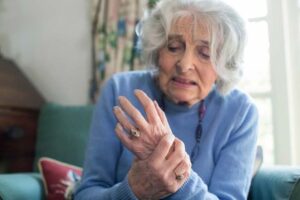
Parkinson’s disease primarily affects the brain’s ability to control movement. As the condition progresses, patients may experience:
- Tremors or shaking
- Muscle stiffness (rigidity)
- Slowed movement (bradykinesia)
- Balance difficulties
- Shuffling gait
- Difficulty initiating movement
- Fatigue and reduced endurance
These symptoms can make everyday activities increasingly challenging, such as walking, standing up from a chair, dressing, or bathing.
Without intervention, reduced mobility can lead to a higher risk of falls, loss of independence, and increased reliance on caregivers.
This is where rehabilitation therapy becomes essential.
How Physical Therapy Supports Mobility in Parkinson’s Disease
Physical therapy focuses on improving movement, strength, and balance to help patients stay active and safe for as long as possible.
At Rehab On Wheels, therapy is personalized to each patient’s stage of Parkinson’s disease and functional ability.
1. Improving Walking and Gait
One of the most common challenges in Parkinson’s disease is changes in walking patterns.
Physical therapists help patients improve gait through:
- Step length training
- Posture correction
- Cueing techniques (visual and auditory cues)
- Treaded walking practice
- Turning and directional control
These strategies help reduce shuffling and improve walking confidence.
2. Enhancing Balance and Preventing Falls
Balance issues are a major concern for individuals with Parkinson’s disease, especially in later stages.
Therapy focuses on:
- Standing stability exercises
- Weight shifting techniques
- Core strengthening
- Reactive balance training
Improved balance reduces the risk of falls and supports safer movement throughout the home.
3. Maintaining Strength and Flexibility
Muscle stiffness and rigidity can limit movement over time.
Physical therapy includes:
- Stretching routines to reduce stiffness
- Strength training for lower and upper body
- Range-of-motion exercises
- Postural alignment work
These exercises help maintain flexibility and reduce discomfort during daily activities.
4. Supporting Daily Functional Movement
Therapists also focus on real-life movements that matter most to patients, including:
- Getting out of bed safely
- Standing from chairs
- Navigating stairs
- Turning in tight spaces
- Walking in the home environment
This functional approach helps patients maintain independence longer.
Occupational Therapy in Parkinson’s Care
While physical therapy focuses on movement, occupational therapy supports independence in daily living activities.
At Rehab On Wheels, occupational therapy is a key part of Parkinson’s rehabilitation.
Therapists help patients with:
- Dressing and grooming techniques
- Adaptive equipment recommendations
- Energy conservation strategies
- Hand coordination exercises
- Home safety modifications
Simple changes—like grab bars, better lighting, or adaptive utensils—can significantly improve safety and independence.
In-Home Therapy: A Safer, More Effective Approach
For many patients with Parkinson’s disease, traveling to a clinic becomes increasingly difficult over time.
That’s why in-home therapy is especially beneficial.
Rehab On Wheels brings therapy directly into the patient’s home across New York City, Brooklyn, and Staten Island.
This approach allows therapists to:
- Assess real home safety risks
- Practice mobility in familiar spaces
- Reduce transportation stress
- Provide personalized one-on-one attention
In-home care ensures therapy is practical, comfortable, and directly relevant to the patient’s daily environment.
Senior Wellness: Supporting the Whole Person, Not Just the Condition
Parkinson’s disease affects more than just movement—it impacts emotional health, confidence, and overall well-being.
A senior wellness approach means focusing on:
- Maintaining dignity and independence
- Encouraging safe physical activity
- Supporting mental and emotional health
- Promoting social engagement
- Reducing fear of falling or losing independence
At Rehab On Wheels, we believe rehabilitation should improve not only physical ability but also quality of life and emotional resilience.
Supporting Family Caregivers
Caring for a loved one with Parkinson’s disease can be both meaningful and challenging. Many family members take on caregiving roles without formal training, which can lead to stress, uncertainty, and physical strain.
Rehabilitation therapy provides essential caregiver support by:
1. Teaching Safe Assistance Techniques
Therapists educate caregivers on how to safely help with transfers, walking, and daily activities.
2. Reducing Fall Risks at Home
Caregivers learn how to modify the home environment to reduce hazards and improve safety.
3. Providing Education About Disease Progression
Understanding how Parkinson’s disease changes over time helps families plan and prepare.
4. Offering Emotional Support and Guidance
Therapists help families feel more confident and less overwhelmed in their caregiving role.
This collaborative approach ensures both patients and caregivers are supported throughout the journey.
Why Early Rehabilitation Matters
Starting rehabilitation early in Parkinson’s disease can help slow functional decline and maintain independence for longer.
Early therapy helps patients:
- Build strength before significant decline
- Learn safe movement strategies
- Reduce long-term fall risk
- Maintain daily activity levels
- Improve confidence in mobility
Even in later stages, rehabilitation can still provide meaningful improvements in comfort, safety, and quality of life.
Why NYC Families Choose Rehab On Wheels
Founded in 2017 by dedicated Physical and Occupational Therapists, Rehab On Wheels was created to make rehabilitation more accessible for seniors across New York City.
We proudly serve patients throughout NYC, including Brooklyn and Staten Island, with personalized in-home therapy designed around each patient’s needs.
Families choose us because we provide:
- One-on-one personalized care
- Experienced Physical and Occupational Therapists
- In-home convenience
- Senior wellness-focused rehabilitation
- Strong caregiver education and support
- Functional, real-world therapy approaches
Our mission is to help patients with Parkinson’s disease maintain mobility, independence, and dignity for as long as possible.
Take the Next Step Toward Better Mobility
Parkinson’s disease presents challenges—but with the right rehabilitation support, patients can continue living meaningful, active lives.
If your loved one is experiencing mobility changes due to Parkinson’s disease, Rehab On Wheels is here to help.
We provide compassionate in-home Physical and Occupational Therapy services throughout New York City, including Brooklyn and Staten Island, focused on senior wellness and caregiver support.
Author: Catherine Morrissey, PT, DPT