A fall can change everything in a matter of seconds.
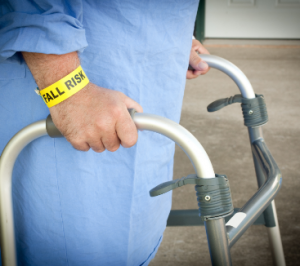
One moment, you’re walking through your home or stepping off a curb, and the next, you’re on the ground wondering what happened. Even if you don’t suffer a broken bone or a serious injury, a fall can leave you feeling shaken, sore, and uncertain about moving with confidence again.
For many older adults, the physical injury is only part of the recovery process. The emotional impact can be just as significant. It’s common for seniors to develop a fear of falling again, causing them to limit their activity, avoid leaving the house, or become less physically active. Unfortunately, this reduced activity often leads to weaker muscles, poorer balance, and an even greater risk of future falls.
The good news is that recovery doesn’t have to stop after the bruises heal. With the right rehabilitation plan, many seniors regain their strength, improve their balance, and return to the activities they enjoy.
One of the most common questions people ask after a fall is:
“When should I start Physical Therapy?”
The answer, in many cases, is as soon as your healthcare provider determines it is safe to begin. Early rehabilitation can help restore mobility, reduce pain, rebuild confidence, and lower the risk of another fall.
At Rehab On Wheels, we provide personalized in-home Physical and Occupational Therapy throughout New York City, helping older adults recover safely in the comfort of their own homes. For patients who prefer in-clinic treatment, we also offer rehabilitation services at our locations in Brooklyn and Staten Island.
Why Falls Are So Common Among Older Adults
Falls become more common with age because several body systems naturally change over time.
Factors that increase fall risk include:
- Muscle weakness
- Reduced balance
- Slower reaction times
- Arthritis and joint pain
- Vision changes
- Medication side effects
- Neurological conditions such as Parkinson’s disease or stroke
- Poor footwear
- Home hazards like loose rugs or poor lighting
Often, a fall isn’t caused by just one issue. It’s usually the result of several small factors happening at the same time.
Understanding what caused the fall is one of the first steps toward preventing another one.
Should You See a Doctor After a Fall?
Even if you think you’re “fine,” it’s important to be evaluated after a fall—especially if you:
- Hit your head
- Lose consciousness
- Experience severe pain
- Cannot bear weight on a leg
- Notice swelling or bruising that worsens
- Feel dizzy or confused
- Have persistent headaches
- Suspect a fracture
Some injuries, including head injuries or hairline fractures, may not be immediately obvious. A medical evaluation helps rule out serious problems and determines when it’s safe to begin rehabilitation.
When Should Physical Therapy Begin?
For many seniors, rehabilitation should begin as early as possible after medical clearance.
Waiting too long can make recovery more difficult.
When people remain inactive after a fall, they often experience:
- Muscle weakness
- Joint stiffness
- Reduced flexibility
- Poor balance
- Decreased endurance
- Loss of confidence
Early Physical Therapy helps prevent these complications while encouraging a safer, more complete recovery.
Your therapist will develop a treatment plan based on:
- Your injuries
- Medical history
- Overall mobility
- Balance
- Pain level
- Personal recovery goals
No two recovery plans are exactly alike because no two patients are the same.
How Physical Therapy Helps After a Fall
Physical Therapy focuses on restoring movement, strength, and confidence.
Treatment often includes several important components.
Pain Management
Falls can leave muscles and joints sore, even without major injuries.
Therapists use gentle techniques and carefully selected exercises to reduce pain while promoting safe movement.
Strength Training
Muscle weakness is one of the biggest contributors to future falls.
Strengthening exercises often target:
- Legs
- Hips
- Core muscles
- Ankles
Stronger muscles provide better support for walking and standing.
Balance Therapy
Balance exercises help retrain the body to respond more effectively when walking or changing positions.
Therapists may use exercises such as:
- Weight shifting
- Heel-to-toe walking
- Standing balance exercises
- Single-leg balance (when appropriate)
- Controlled turning practice
These exercises improve stability and reduce fall risk.
Gait Training
Many seniors begin walking differently after a fall because they’re afraid of losing their balance again.
A Physical Therapist evaluates walking patterns and helps improve:
- Stride length
- Walking speed
- Posture
- Foot placement
- Use of assistive devices if needed
Walking confidently again is one of the most important goals of rehabilitation.
Flexibility Exercises
Gentle stretching helps reduce stiffness and restore normal movement after a period of inactivity.
Improved flexibility also contributes to better posture and balance.
The Role of Occupational Therapy After a Fall
Recovering from a fall isn’t just about walking again—it’s about regaining independence in daily life.
Occupational Therapy helps seniors safely return to everyday activities such as:
- Getting dressed
- Bathing
- Cooking
- Reaching for items safely
- Using stairs
- Getting in and out of bed
- Household tasks
Therapists also recommend adaptive equipment and energy-conservation strategies when appropriate.
Why In-Home Physical Therapy Makes Recovery Easier
Many seniors feel anxious about leaving home after a fall.
Receiving therapy at home offers several important advantages.
At Rehab On Wheels, our therapists provide one-on-one rehabilitation in the environment where patients spend most of their time.
Benefits include:
Real-Life Recovery
Patients practice walking through their own hallways, navigating stairs, and moving safely around familiar spaces.
Home Safety Assessments
Our therapists identify potential hazards such as:
- Loose rugs
- Poor lighting
- Cluttered walkways
- Unsafe furniture placement
- Bathroom safety concerns
Simple modifications can greatly reduce the risk of another fall.
Personalized One-on-One Care
Every therapy session is customized to the patient’s specific needs, allowing for focused attention and steady progress.
Overcoming the Fear of Falling Again
One of the biggest obstacles after a fall isn’t physical—it’s emotional.
Many seniors lose confidence and begin avoiding activities they once enjoyed.
This fear can lead to:
- Less physical activity
- Social isolation
- Muscle weakness
- Reduced independence
Physical Therapy helps rebuild confidence by improving strength, balance, and mobility in a safe, supportive environment. As patients become stronger, they often regain the confidence to return to everyday activities.
Tips for Preventing Future Falls
After recovering from a fall, it’s important to reduce the risk of another one.
Here are a few practical strategies:
- Stay physically active with exercises recommended by your therapist.
- Remove loose rugs and clutter from walkways.
- Improve lighting throughout your home.
- Install grab bars in bathrooms if needed.
- Wear supportive, non-slip footwear.
- Have your vision and hearing checked regularly.
- Review medications with your healthcare provider.
- Use mobility aids correctly if prescribed.
- Schedule regular balance assessments.
Prevention is one of the most effective ways to protect your long-term mobility and independence.
Why Families Trust Rehab On Wheels
Founded in 2017 by a team of passionate Physical and Occupational Therapists, Rehab On Wheels was created to make rehabilitation services more accessible for seniors throughout New York City.
We proudly provide personalized in-home rehabilitation services across NYC, along with clinic-based care in Brooklyn and Staten Island.
Families choose Rehab On Wheels because we offer:
- Personalized one-on-one Physical and Occupational Therapy
- Comprehensive fall recovery programs
- Balance and mobility training
- Home safety evaluations
- Experienced geriatric rehabilitation specialists
- Compassionate, patient-centered care
Our mission is to help seniors recover safely, regain confidence, and continue living independently.
Take the First Step Toward a Stronger Recovery
A fall doesn’t have to define your future. With early intervention, personalized rehabilitation, and consistent support, many older adults regain their strength, improve their balance, and return to the activities they love.
If you or someone you love has experienced a recent fall, don’t wait until another one happens. Starting Physical Therapy early can make a significant difference in your recovery and help prevent future injuries.
At Rehab On Wheels, we’re proud to provide expert in-home Physical and Occupational Therapy throughout New York City, along with clinic-based rehabilitation in Brooklyn and Staten Island. Whether you’re recovering from a minor fall or a more serious injury, our experienced therapists are here to help you move forward with confidence.
Schedule an Appointment Today
If you or a family member is recovering from a fall, contact Rehab On Wheels to schedule a personalized rehabilitation evaluation. Together, we’ll create a recovery plan that helps you regain strength, restore mobility, and safely return to the life you enjoy.
Clinic Locations:
- Brooklyn, NY
- Staten Island, NY
Serving patients with in-home rehabilitation services throughout New York City.
Author: Catherine Morrissey, PT, DPT