As we age, it’s natural to think about keeping our bones strong, protecting our joints, and maintaining our mobility. But there’s another part of the body that benefits just as much from staying active—our brain.
Many older adults worry about occasional forgetfulness or slowing down mentally. While some changes in memory and thinking are a normal part of aging, growing older does not automatically mean losing cognitive function or independence. In fact, one of the most effective ways to support a healthy brain is something surprisingly simple: regular movement.
Whether it’s taking a daily walk, practicing balance exercises, stretching, or participating in a personalized Physical Therapy program, staying physically active does far more than strengthen muscles. Movement increases blood flow to the brain, supports communication between brain cells, improves mood, and helps maintain the mental sharpness needed for everyday life.
Research continues to show that older adults who remain physically active often experience better memory, improved concentration, enhanced problem-solving skills, and a lower risk of cognitive decline compared to those who live a more sedentary lifestyle.
At Rehab On Wheels, we believe healthy aging begins with movement. Our experienced Physical and Occupational Therapists provide personalized in-home rehabilitation services throughout New York City, helping seniors improve mobility, balance, strength, and overall wellness from the comfort of their own homes. We also welcome patients at our clinic locations in Brooklyn and Staten Island, where individualized, one-on-one care is tailored to each person’s goals and abilities.
The Connection Between Movement and the Brain
Every time you move your body, your brain is hard at work.
Walking, standing up from a chair, reaching for an object, or climbing stairs all require communication between the brain, muscles, nerves, eyes, and inner ear. These systems work together to coordinate movement, maintain balance, and respond to changes in the environment.
When you exercise regularly, you strengthen these communication pathways.
Physical activity also increases blood circulation, delivering more oxygen and nutrients to the brain. This supports healthy brain cells and encourages the growth of new neural connections, helping the brain remain adaptable as we age.
Simply put, movement helps keep the brain active, engaged, and functioning at its best.
How Exercise Supports Brain Health
Regular movement benefits the brain in many important ways.
Improves Blood Flow to the Brain
Exercise increases heart rate, allowing more oxygen-rich blood to reach the brain.
Healthy blood flow helps nourish brain cells, supports concentration, and contributes to better overall cognitive function.
Encourages Brain Plasticity
The brain has an incredible ability to adapt and create new connections, a process known as neuroplasticity.
Physical activity stimulates this process, helping the brain learn, adapt, and recover more effectively after illness or injury.
This is one reason rehabilitation plays such an important role for individuals recovering from stroke or living with neurological conditions.
Supports Memory and Learning
Studies suggest that regular exercise may improve memory and learning by supporting areas of the brain involved in processing and storing information.
Many older adults report feeling mentally sharper after establishing a consistent exercise routine.
Improves Mood and Emotional Well-Being
Staying active encourages the release of endorphins, often called the body’s natural “feel-good” chemicals.
Exercise can help reduce:
- Stress
- Anxiety
- Depression
- Feelings of isolation
Better emotional health often contributes to clearer thinking and improved quality of life.
Improves Sleep Quality
Good sleep is essential for brain health.
Regular physical activity helps many older adults fall asleep more easily and enjoy deeper, more restorative sleep, allowing the brain time to process information and recover.
Why Mobility and Brain Health Go Hand in Hand
Mobility and cognitive health are closely connected.
When seniors remain physically active, they are more likely to continue participating in social activities, hobbies, family gatherings, and community events. These experiences provide valuable mental stimulation that supports healthy cognitive aging.
Conversely, when mobility declines, people may become less active, spend more time alone, and experience reduced mental engagement.
Maintaining mobility helps preserve independence while keeping both the body and mind active.
The Best Types of Exercise for Brain Health
Not every exercise needs to be intense to benefit the brain.
The most effective programs combine different forms of movement.
Walking
Walking improves cardiovascular health while stimulating multiple areas of the brain responsible for coordination and balance.
Even a daily 20- to 30-minute walk can provide meaningful health benefits.
Balance Training
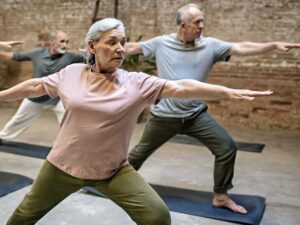
Balance exercises require concentration and coordination, helping strengthen communication between the brain and the body.
Examples include:
- Heel-to-toe walking
- Standing on one foot with support
- Side-stepping
- Weight-shifting exercises
These exercises also reduce the risk of falls.
Strength Training
Building muscle supports healthy aging while improving posture, mobility, and confidence.
Simple exercises such as chair squats, seated leg extensions, and resistance band exercises can be adapted for different fitness levels.
Stretching and Flexibility
Gentle stretching reduces stiffness, improves range of motion, and makes movement more comfortable.
Better flexibility encourages continued physical activity and reduces the likelihood of injury.
Functional Movement
Practicing everyday activities such as getting in and out of a chair, climbing stairs, or reaching safely overhead keeps both the body and brain engaged.
Functional exercises are particularly valuable for older adults working to maintain independence.
How Physical Therapy Supports Brain Health
Physical Therapy isn’t just for recovering from injuries or surgery.
For many older adults, it serves as an important tool for maintaining overall health and preventing physical decline.
A Physical Therapist can develop an individualized program that improves:
- Strength
- Balance
- Walking ability
- Coordination
- Endurance
- Flexibility
- Confidence with movement
By improving mobility, Physical Therapy also encourages greater participation in daily life, benefiting both physical and cognitive health.
The Role of Occupational Therapy
Occupational Therapy helps older adults continue performing everyday activities safely and independently.
Occupational therapists focus on:
- Memory strategies
- Problem-solving skills
- Hand coordination
- Home safety
- Energy conservation
- Daily routines
Together, Physical and Occupational Therapy provide a comprehensive approach to healthy aging.
Simple Ways to Stay Active Every Day
You don’t have to spend hours exercising to support brain health.
Consider incorporating these habits into your daily routine:
- Take a short walk around your neighborhood.
- Stretch every morning.
- Practice balance exercises while holding onto a sturdy chair.
- Stand up and move every hour.
- Garden or complete light household chores.
- Dance to your favorite music.
- Play with grandchildren.
- Follow your therapist’s home exercise program.
Consistency is far more important than intensity.
Why Families Choose Rehab On Wheels
Founded in 2017 by a team of passionate Physical and Occupational Therapists, Rehab On Wheels is committed to helping older adults remain active, independent, and healthy.
We proudly provide personalized in-home Physical and Occupational Therapy throughout New York City, along with clinic-based rehabilitation in Brooklyn and Staten Island.
Families trust Rehab On Wheels because we offer:
- Personalized one-on-one therapy
- Experienced Physical and Occupational Therapists
- Senior-focused rehabilitation programs
- Convenient in-home therapy services
- Comprehensive mobility and balance training
- Compassionate, patient-centered care
Our mission is to improve mobility, enhance quality of life, and empower seniors to continue living independently.
Conclusion
Healthy aging isn’t just about preventing illness, it’s about maintaining the ability to enjoy life, stay connected with loved ones, and continue doing the activities that matter most. Regular movement is one of the most powerful tools for protecting both physical and brain health as you age.
Whether you’re taking daily walks, participating in balance exercises, or working with a Physical or Occupational Therapist, every step you take supports a healthier body and a sharper mind.
If you or a loved one would like help creating a safe, personalized exercise program, the experienced team at Rehab On Wheels is here to help. We proudly serve older adults throughout New York City with expert in-home rehabilitation services, as well as in-clinic care in Brooklyn and Staten Island.
Schedule an Appointment Today
Contact Rehab On Wheels to learn how personalized Physical and Occupational Therapy can help you improve mobility, support brain health, and continue living an active, independent life.
Author: Catherine Morrissey, PT, DPT