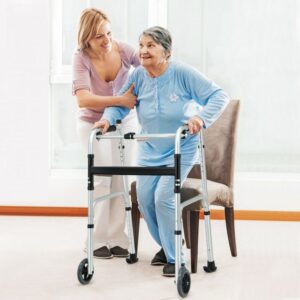
Getting older is a natural part of life, but aging often brings physical changes that can affect how we move, perform daily activities, and maintain our independence.
Many seniors begin noticing that tasks that once seemed effortless—walking up stairs, getting out of a chair, carrying groceries, or taking a stroll around the neighborhood—become more challenging over time.
While these changes are common, they should not simply be accepted as an unavoidable part of aging.
The good news is that Physical and Occupational Therapy can help older adults overcome many mobility challenges, improve confidence, and continue living active, independent lives.
At Rehab On Wheels, we provide personalized in-home Physical and Occupational Therapy services throughout New York City, Brooklyn, and Staten Island. Our mission is to help seniors maintain mobility, reduce pain, prevent falls, and enjoy a higher quality of life in the comfort of their own homes.
Why Mobility Matters for Healthy Aging
Mobility is much more than the ability to walk.
It affects nearly every aspect of daily life, including:
- Getting dressed
- Bathing safely
- Preparing meals
- Shopping
- Visiting family and friends
- Participating in hobbies
- Maintaining independence
When mobility declines, seniors may become less active, which can lead to additional health concerns, social isolation, and a reduced quality of life.
Early intervention through rehabilitation therapy can help address mobility issues before they become more serious.
Common Mobility Challenges Seniors Face
1. Muscle Weakness
One of the most common age-related changes is the gradual loss of muscle mass and strength.
This process, often called age-related muscle loss, can make everyday activities more difficult.
Seniors with muscle weakness may experience:
- Difficulty standing from a chair
- Trouble climbing stairs
- Reduced walking endurance
- Increased fatigue
- Poor balance
Physical therapy helps strengthen muscles through targeted exercises designed to improve stability, mobility, and overall function.
2. Balance Problems
Many older adults notice changes in balance as they age.
Balance issues may result from:
- Muscle weakness
- Inner ear conditions
- Neurological disorders
- Medication side effects
- Reduced physical activity
Poor balance significantly increases the risk of falls.
Through specialized balance therapy, seniors can improve coordination, stability, and confidence while moving around their homes and communities.
3. Arthritis and Joint Stiffness
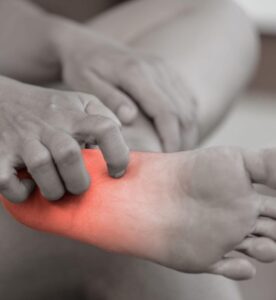
Arthritis affects millions of seniors and is a leading cause of mobility limitations.
Common symptoms include:
- Joint pain
- Swelling
- Stiffness
- Reduced flexibility
Many older adults with arthritis begin avoiding movement because they fear worsening their pain.
However, appropriate movement and therapeutic exercise often help reduce discomfort and improve joint function.
Physical therapy can provide safe, customized exercises that support mobility while protecting affected joints.
4. Walking Difficulties
Changes in walking patterns are common among older adults.
Seniors may experience:
- Slower walking speed
- Shorter steps
- Difficulty navigating uneven surfaces
- Fatigue while walking
- Fear of falling
Walking difficulties can result from a variety of factors, including weakness, arthritis, neurological conditions, or previous injuries.
Physical therapists evaluate walking patterns and develop treatment plans that improve gait, posture, and endurance.
5. Recovery After Surgery or Hospitalization
Many seniors experience temporary mobility loss after:
- Hip replacement surgery
- Knee replacement surgery
- Stroke
- Fractures
- Extended hospital stays
Without rehabilitation, recovery may take longer and independence may be harder to regain.
Therapy helps restore strength, flexibility, balance, and functional movement so seniors can return to their daily routines safely.
How Physical Therapy Helps Improve Mobility
Physical therapy focuses on restoring movement and helping seniors perform daily activities safely and confidently.
Treatment plans are customized to each patient’s unique needs and goals.
Common therapy interventions include:
Strength Training
Building muscle strength helps improve walking ability, balance, and overall stability.
Balance Exercises
Targeted balance training reduces fall risks and improves confidence during movement.
Flexibility and Stretching
Stretching exercises help maintain joint mobility and reduce stiffness.
Gait Training
Therapists help seniors improve walking mechanics and mobility patterns.
Functional Mobility Training
Exercises focus on everyday activities such as:
- Standing from a chair
- Climbing stairs
- Getting in and out of bed
- Walking safely throughout the home
The Role of Occupational Therapy
While Physical Therapy focuses on movement, Occupational Therapy helps seniors maintain independence in everyday activities.
Occupational therapists assist with:
- Dressing
- Bathing
- Grooming
- Meal preparation
- Home safety modifications
- Adaptive equipment recommendations
These services help seniors continue performing important daily tasks with greater ease and confidence.
Why In-Home Therapy Makes a Difference
For many seniors, traveling to appointments can be physically demanding.
That’s why Rehab On Wheels brings Physical and Occupational Therapy directly to patients’ homes throughout New York City.
In-home therapy offers several important benefits:
Personalized Care
Every session is tailored to the patient’s goals and environment.
Real-Life Training
Therapists address mobility challenges where they actually occur—in the home.
Greater Comfort
Patients often feel more relaxed and motivated in familiar surroundings.
Improved Consistency
Removing transportation barriers allows seniors to participate more regularly in therapy.
Supporting Family Caregivers
Mobility challenges affect not only seniors but also their families.
Caregivers often assist with:
- Transfers
- Walking support
- Household tasks
- Transportation
Our therapists work closely with family members to provide education and practical strategies that support safe mobility and independence.
This collaborative approach helps reduce caregiver stress while improving patient outcomes.
Don’t Let Mobility Challenges Limit Your Life
While age-related mobility changes are common, they don’t have to prevent you from enjoying an active and fulfilling life.
With the right rehabilitation support, many seniors can improve strength, balance, mobility, and confidence while maintaining the independence they value.
If you or a loved one is experiencing mobility challenges, Rehab On Wheels is here to help.
We proudly serve seniors throughout New York City, including Brooklyn and Staten Island, with personalized Physical and Occupational Therapy services designed to support healthier aging and long-term independence.
Author: Catherine Morrissey, PT, DPT