An illness can change someone’s daily routine in ways they may not expect.
Before getting sick, an older adult might have been comfortable preparing meals, walking around the neighborhood, visiting family, or managing household responsibilities. After several days or weeks of illness, those same activities may suddenly feel exhausting.
Even when the original symptoms have improved, the body may need additional time and support to regain strength, endurance, and confidence.
This is particularly important for older adults, who may experience physical deconditioning after periods of reduced activity.
The good news is that recovery does not have to stop when the immediate illness has passed. A personalized rehabilitation plan may help patients gradually work toward their everyday goals.
Why Can an Illness Leave You Feeling Weak?
During an illness, people often spend more time resting and less time moving. Appetite, sleep, hydration, and normal activity levels may also change.
These factors can contribute to weakness and reduced endurance.
Some common challenges after an illness include:
- Feeling tired after walking short distances.
- Having difficulty standing for extended periods.
- Needing assistance when getting out of a chair.
- Finding household activities more demanding.
- Experiencing reduced confidence when moving around.
- Taking longer to recover after physical activity.
The degree of recovery varies from person to person. Age, the type and severity of illness, existing health conditions, and previous activity levels can all influence the process.
If weakness or fatigue persists, patients should speak with their healthcare provider to determine whether further evaluation is needed.
Why Returning to Normal Activities Too Quickly Can Be Difficult
After recovering from an illness, it is natural to want to return to your usual routine.
However, trying to do everything immediately may be overwhelming when strength and endurance have not fully returned.
For example, someone who previously managed household chores independently may try to complete several tasks in one morning. They may become exhausted and spend the rest of the day resting.
A gradual approach is often more practical.
Rehabilitation helps patients identify their current abilities, work toward realistic goals, and progress as their condition allows.
How Physical Therapy Helps Rebuild Strength and Stamina
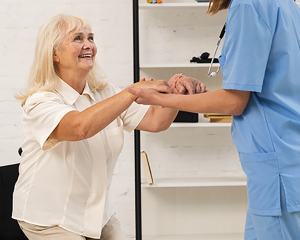
Physical therapy can help address physical limitations that develop or become more noticeable after an illness.
A therapist may evaluate strength, flexibility, movement, endurance, and the ability to perform functional activities.
Based on the assessment, treatment may include:
1. Gradual Strengthening
When physical activity has been limited, muscles may become weaker.
A therapist can introduce appropriate strengthening activities that match the patient’s current abilities. These may begin with simple seated or supported movements before progressing to more demanding exercises.
2. Improving Activity Tolerance
Some patients can perform an activity briefly but struggle to continue for longer periods.
A therapist may develop a gradual activity plan that helps patients work toward improved tolerance without pushing beyond their safe limits.
3. Practicing Functional Movements
Rebuilding strength is important, but patients also need to use that strength during everyday activities.
Therapy may involve practicing movements such as standing from a chair, walking short distances, changing positions, and navigating familiar areas of the home.
4. Developing a Safe Home Exercise Routine
A therapist can recommend exercises that support recovery between appointments.
The routine should reflect the patient’s health status, current abilities, and rehabilitation goals. It should also be adjusted as progress is made.
The Role of Occupational Therapy During Recovery
Physical recovery is not only about walking farther or becoming stronger. It is also about returning to the activities that make everyday life meaningful.
Occupational therapy focuses on helping people participate in daily routines as independently as possible.
After an illness, an occupational therapist may help a patient work toward:
- Dressing with less assistance.
- Preparing simple meals.
- Managing personal hygiene.
- Organizing daily activities around energy levels.
- Returning to familiar household responsibilities.
- Using adaptive equipment when needed.
For example, a patient who becomes tired while preparing meals may benefit from learning how to organize kitchen tasks, use a seated work position, and schedule rest breaks.
This practical approach helps connect rehabilitation to real-life needs.
Why Home-Based Rehabilitation Matters
Recovering at home can be challenging when a patient is not yet comfortable traveling or managing daily activities independently.
In-home rehabilitation allows therapy to take place in a familiar environment. The therapist can work with the patient on movements and routines that are directly relevant to everyday life.
This may also make it easier to identify environmental challenges that affect recovery.
For families in Brooklyn, Staten Island, and other NYC communities, mobile rehabilitation can offer a convenient way to access personalized therapy without making every appointment a trip outside the home.
Rehab On Wheels provides individualized physical and occupational therapy services designed to help patients work toward improved function and independence.
How Family Members Can Support Recovery
Family involvement can make the recovery process more encouraging and organized.
Loved ones can help by:
- Encouraging the patient to follow the recommended therapy plan.
- Supporting rest periods and balanced daily routines.
- Keeping frequently used items within comfortable reach.
- Helping maintain a safe and uncluttered home environment.
- Communicating changes in symptoms or abilities to the healthcare team.
- Celebrating small improvements rather than expecting immediate results.
It is important to encourage independence without pressuring someone to perform activities beyond their current abilities.
Recovery Is About More Than Feeling Better
Recovering from an illness is an important milestone, but regaining the ability to manage daily life is another part of the journey.
For older adults, weakness and reduced stamina can affect confidence, independence, and participation in activities they value.
With an individualized rehabilitation plan, patients can work toward meaningful goals at a pace suited to their needs.
If you or a loved one is struggling to regain strength after an illness, consider discussing rehabilitation options with a healthcare professional.
Rehab On Wheels offers personalized in-home rehabilitation services throughout NYC, helping patients in Brooklyn, Staten Island, and surrounding communities work toward better everyday function.
Clinic Address: 174 Bay 29th St. Suite #C1, Brooklyn, NY 11214
Phone: 718-395-7445
Author: Catherine Morrissey, PT, DPT