A traumatic brain injury can change everyday life in ways that are not always immediately visible. After a head injury, a person may experience changes in movement, coordination, concentration, communication, or the ability to manage familiar activities.
For some patients, recovery includes returning to work or hobbies. For others, it means relearning daily routines, communicating more effectively, or becoming more comfortable moving around the home.
Every brain injury is different. Recovery depends on factors such as the injury’s severity, the areas affected, previous health conditions, and the person’s response to treatment.
Rehabilitation can be an important part of recovery for patients whose injuries affect movement, communication, thinking, or daily function. For individuals and families in Brooklyn, Staten Island, and throughout New York City, understanding the roles of different rehabilitation services can help make the next steps less overwhelming.
How a Traumatic Brain Injury Can Affect Daily Life
A traumatic brain injury, or TBI, occurs when an external force causes damage to the brain. It can happen after a fall, motor vehicle collision, sports-related impact, or another type of accident.
The effects vary considerably. Some people experience headaches, dizziness, fatigue, or difficulty concentrating. Others have challenges with walking, coordination, speech, memory, or performing everyday activities.
A person may appear physically recovered while continuing to experience difficulties with attention, communication, or planning.
These symptoms should be discussed with the treating medical team. Rehabilitation needs should be based on an appropriate evaluation rather than assumptions about what a person should be able to do at a particular stage.
1. Physical Therapy: Working Toward Better Movement
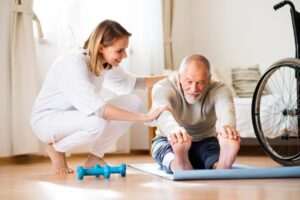
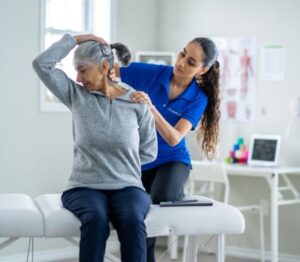
When a brain injury affects physical function, Physical Therapy may help address relevant movement limitations.
Depending on the patient’s evaluation, treatment may focus on:
- Walking and functional mobility.
- Strength and flexibility.
- Coordination and controlled movement.
- Transfers and other everyday movements.
- Gradual return to appropriate physical activities.
The program should be tailored to the patient’s symptoms, abilities, and medical restrictions.
For example, a person who has difficulty moving between rooms may work on specific mobility goals. Another patient may need a plan that accounts for reduced coordination or exercise tolerance.
If dizziness or movement-related visual symptoms are present, the therapist and medical team can determine whether vestibular assessment or specialized treatment is appropriate.
Progress should be gradual. Symptoms that worsen significantly during activity should be reported to the treating healthcare professional.
2. Occupational Therapy: Rebuilding Everyday Routines
A brain injury can make familiar tasks unexpectedly complicated. Dressing, preparing food, organizing belongings, or managing a daily schedule may require more effort than before.
Occupational Therapy focuses on helping people participate in meaningful daily activities.
Depending on the patient’s needs, an Occupational Therapist may address:
- Personal care and household routines.
- Functional coordination and movement.
- Task organization and activity planning.
- Adaptations to the home environment.
- Strategies for managing everyday activities more effectively.
For instance, someone who becomes overwhelmed when preparing a meal may benefit from breaking the task into manageable steps or modifying the environment to reduce unnecessary demands.
An Occupational Therapist may also consider whether a home assessment is appropriate to identify barriers that interfere with safe and effective daily activity.
The aim is to support participation while respecting the patient’s abilities, preferences, and recovery goals.
3. Speech Therapy: Communication and Cognitive-Communication Support
Some traumatic brain injuries affect speech, language, or the cognitive skills involved in communication.
A person may struggle to find words, follow a conversation, organize thoughts, understand information, or communicate effectively in a busy environment.
Speech Therapy may help address these difficulties through an individualized plan.
Depending on the assessment, treatment may focus on speech clarity, language skills, communication strategies, or aspects of attention, memory, and problem-solving that affect everyday communication.
Not every patient with a brain injury needs Speech Therapy. The appropriate services depend on the person’s specific difficulties and clinical evaluation.
Families can support progress by asking the treating professional how to communicate clearly, allow sufficient response time, and adapt conversations to the patient’s needs.
4. Managing Fatigue and Changes in Thinking
After a brain injury, some people experience mental or physical fatigue. Activities that require concentration, conversation, or movement may become tiring more quickly than before.
Fatigue can affect participation in rehabilitation and everyday routines. It is important not to assume that a person who becomes tired easily is unwilling to participate.
The medical team should assess persistent or worsening fatigue, particularly when it is accompanied by other concerning symptoms.
Rehabilitation professionals may help patients organize appropriate activities, practise relevant skills, and work toward goals at a manageable pace. Any plan should account for medical recommendations and the patient’s response to activity.
5. Why a Coordinated Rehabilitation Plan Matters
A brain injury may affect several abilities at once. A patient could need help with movement, daily routines, and communication.
When multiple services are indicated, each professional can address a different part of the recovery process. Physical Therapy may focus on mobility, Occupational Therapy on daily activities, and Speech Therapy on communication or cognitive-communication needs.
The treatment plan should be coordinated with the patient’s medical team and adjusted as needs change.
Rehabilitation is not a guarantee of complete recovery. However, a structured and individualized approach can help patients work toward meaningful goals and identify the support needed for daily life.
6. The Role of Family and Caregivers
Family members often help patients manage appointments, follow care recommendations, and navigate changes in daily routines.
Caregivers can be helpful by maintaining communication with the rehabilitation team, asking questions about recommended activities, and helping the patient follow the prescribed plan.
It is important not to push a patient to perform exercises or activities that have not been approved by the treating professionals. Brain injury recovery may involve specific medical precautions, and the family should understand which activities are appropriate.
Caregivers should also share observations about changes in function, mood, communication, or activity tolerance with the patient’s healthcare team.
7. Is In-Home Rehabilitation Appropriate After a Brain Injury?
For some patients, in-home rehabilitation can provide a practical setting for working on daily activities. It may be particularly useful when travelling is difficult or when the treatment goals involve routines in the home environment.
However, the appropriate setting depends on the severity of the injury, the patient’s medical stability, and the type of assessment or treatment required. Some patients need a higher level of medical or rehabilitation care.
Telehealth may also be suitable for selected services or follow-up sessions when the treating professional determines that remote care is appropriate.
Patients and families should discuss the options with their healthcare team before deciding which setting best meets their needs.
When to Seek Urgent Medical Help
A person with a recent head injury needs appropriate medical assessment. Seek emergency care for worsening severe headache, repeated vomiting, seizures, increasing confusion, unusual drowsiness, new weakness, slurred speech, or other serious or worsening symptoms.
Do not wait for a rehabilitation appointment if symptoms suggest a medical emergency.
Brain Injury Rehabilitation With Rehab On Wheels
Rehab On Wheels offers Physical Therapy, Occupational Therapy, Speech Therapy, and other rehabilitation services that may be relevant to selected functional difficulties after a brain injury. The appropriate combination depends on the patient’s condition, evaluation, and medical recommendations.
The clinic provides in-home rehabilitation throughout New York City and has clinic locations in Brooklyn and Staten Island. Families can contact the team to discuss available services and whether the patient’s needs can be safely supported in the intended setting.
Conclusion
Life after a traumatic brain injury can involve physical, communication, and everyday functional challenges. Recovery is different for every individual, and the right support depends on a careful understanding of the person’s needs.
Physical Therapy, Occupational Therapy, and Speech Therapy each address different aspects of function. When appropriate services are coordinated around the patient’s goals, rehabilitation can help the individual work toward greater participation in daily life.
If you or a loved one is navigating recovery after a traumatic brain injury, speak with the treating healthcare team about appropriate rehabilitation. Rehab On Wheels can help you explore available services in Brooklyn, Staten Island, and throughout NYC.
Rehab On Wheels
174 Bay 29th St., Suite #C1, Brooklyn, NY 11214
Phone: 718-395-7445
Author: Catherine Morrissey, PT, DPT