
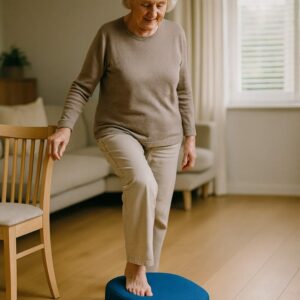
When people think about staying mobile as they age, they often focus on their knees, hips, or back. However, the feet and ankles play an equally important role in everyday movement.
Think about how often you rely on your feet throughout the day. You use them when getting out of bed, walking to the kitchen, standing at the sink, climbing stairs, and stepping outside.
Even small changes in foot or ankle function can affect how comfortably you move through your home and community.
For older adults, maintaining foot and ankle strength is an important part of preserving physical function and independence. Physical therapy can help identify movement limitations and address them through an individualized rehabilitation program.
Why Foot and Ankle Function Matters
Your feet provide the foundation for many everyday movements. Your ankles help your body adjust to changes in position, support forward movement, and respond to different walking surfaces.
When these areas become stiff, weak, painful, or less flexible, ordinary activities may require additional effort.
Common signs of foot and ankle difficulties include:
- Feeling stiff when taking the first few steps in the morning.
- Having trouble pushing off the ground while walking.
- Finding it difficult to rise onto your toes.
- Experiencing discomfort when standing for extended periods.
- Struggling to move comfortably on stairs or uneven surfaces.
- Noticing changes in walking patterns.
These symptoms can have different causes, including arthritis, previous injuries, reduced activity, nerve-related conditions, or changes in muscle strength.
Persistent pain, swelling, numbness, or sudden changes in your ability to bear weight should be evaluated by a healthcare professional.
What Can Cause Foot and Ankle Problems in Older Adults?
Several factors can affect foot and ankle function over time.
1. Reduced Muscle Strength
The muscles surrounding the feet and ankles help control movement and support the body during standing and walking.
When these muscles become weaker, movements such as stepping forward, changing direction, or climbing stairs may become more difficult.
2. Joint Stiffness
Age-related joint changes and conditions such as arthritis may limit ankle movement. This can affect how comfortably someone walks or adjusts their position.
3. Previous Foot or Ankle Injuries
An old sprain, fracture, or other injury may continue to affect flexibility, strength, and movement patterns.
Some people unconsciously change how they walk to avoid discomfort. Over time, these compensations may place additional stress on other parts of the body.
4. Reduced Physical Activity
When someone becomes less active, the muscles responsible for supporting movement may gradually lose strength and endurance.
This can make everyday activities feel more demanding.
How Physical Therapy Can Support Foot and Ankle Function
Physical therapy can help older adults address specific movement limitations and improve their ability to perform everyday activities.
A physical therapist begins by assessing the patient’s movement, strength, flexibility, symptoms, and functional goals.
Treatment may include several approaches.
Strengthening Exercises
A therapist may introduce carefully selected exercises to strengthen the muscles that support the feet and ankles.
Depending on the patient’s abilities, these may include:
- Seated ankle movements.
- Controlled heel raises.
- Toe raises.
- Gentle resistance exercises.
- Functional standing activities.
Exercises should be selected and progressed according to the individual’s health, balance, pain levels, and physical abilities.
Flexibility and Range-of-Motion Training
Limited ankle movement can affect walking and other daily activities.
A physical therapist may recommend gentle mobility exercises to improve comfortable movement and address stiffness.
Walking and Movement Training
Foot and ankle function is closely connected to the way a person walks.
Therapy may include practicing controlled steps, improving weight distribution, and working on movement patterns that support everyday mobility.
Balance and Coordination Activities
The feet and ankles help the body respond to changes in position and surface conditions.
A therapist may incorporate appropriate balance activities into a broader rehabilitation plan, particularly when weakness or reduced coordination affects confidence during movement.
Why In-Home Physical Therapy Can Be Valuable
For many older adults, getting to a clinic is not always convenient. Transportation difficulties, pain, limited mobility, or demanding schedules may make regular appointments challenging.
In-home physical therapy brings professional rehabilitation directly to the patient’s environment.
This also gives the therapist an opportunity to understand how the patient moves around familiar spaces, including hallways, doorways, stairs, and frequently used areas of the home.
For patients in Brooklyn and Staten Island, Rehab On Wheels offers personalized rehabilitation services that support movement, physical function, and independence.
Simple Habits That Support Foot and Ankle Health
Alongside a therapist-guided program, certain habits may help older adults remain more aware of their foot and ankle health.
- Wear comfortable, supportive footwear that fits properly.
- Avoid walking barefoot on slippery or unfamiliar surfaces if this creates a safety concern.
- Pay attention to persistent swelling, discomfort, or changes in sensation.
- Avoid suddenly increasing activity levels.
- Follow a physical therapist’s recommendations for strengthening and mobility.
- Have foot problems assessed rather than ignoring symptoms that continue or worsen.
People with diabetes, circulation problems, or reduced foot sensation should seek individualized medical guidance before starting new foot exercises or changing their foot-care routine.
Conclusion
Foot and ankle problems can affect much more than walking. They may influence how comfortably you stand, move around your home, and participate in activities you enjoy.
Addressing these difficulties early can help identify limitations and create a plan that supports your individual movement goals.
If foot or ankle stiffness, weakness, or discomfort is affecting your daily routine, physical therapy may help you explore appropriate treatment options.
Rehab On Wheels provides personalized rehabilitation services in NYC, including in-home care for patients in Brooklyn, Staten Island, and surrounding communities.
Clinic Address: 174 Bay 29th St. Suite #C1, Brooklyn, NY 11214
Phone: 718-395-7445
Author: Catherine Morrissey, PT, DPT