
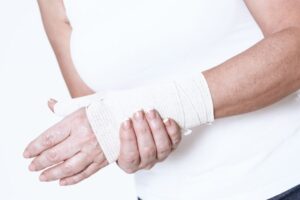
A hand injury can affect far more than the injured area. It can make buttoning a shirt, preparing food, typing, holding a phone, or opening a door unexpectedly difficult.
Even after a fracture has healed or a tendon injury has received medical treatment, a patient may continue to experience stiffness, weakness, swelling, discomfort, or difficulty moving the hand normally. These challenges can interfere with work, hobbies, and personal care.
Recovery often involves more than waiting for the injury to heal. Depending on the diagnosis and the treatment received, rehabilitation may be needed to address movement limitations and restore functional use.
Hand Therapy is designed to address problems affecting the hands and upper extremities. For patients in Brooklyn, Staten Island, and throughout NYC, understanding what this specialized rehabilitation involves can help them prepare for the recovery process.
Why Hand Injuries Can Affect Everyday Activities
The hand contains a complex network of bones, joints, tendons, ligaments, muscles, and nerves. These structures work together to support gripping, lifting, pinching, sensation, and precise movements.
A fracture can affect joint mobility and strength. A tendon injury may interfere with bending or straightening a finger. Swelling, pain, immobilization, or surgery can also influence how comfortably the hand moves.
The effects depend on the injury’s location and severity, the treatment received, and the patient’s overall health.
For example, a person recovering from a finger fracture may find it difficult to close the hand into a fist. Someone with a tendon injury may have specific restrictions on movement to protect the healing structure.
This is why rehabilitation should be guided by the medical diagnosis and the treating clinician’s instructions.
What Is Hand Therapy?
Hand Therapy is a specialized rehabilitation approach used for selected conditions affecting the hand, wrist, and upper extremity. Depending on the patient’s needs, it may involve services delivered by appropriately trained Occupational Therapists or Physical Therapists.
The process generally begins with an assessment of the injury, symptoms, movement restrictions, functional difficulties, and medical precautions.
A treatment plan may include the following components.
1. Restoring Movement Safely
After an injury or a period of immobilization, joints and surrounding tissues may become stiff. Carefully selected exercises may help improve movement when the treating clinician determines that the healing stage allows it.
The timing and type of exercise matter. Moving too aggressively may interfere with healing, while remaining immobilized longer than medically necessary may contribute to stiffness.
Patients should follow the specific instructions provided by their treating medical team and therapist.
2. Addressing Swelling and Discomfort
Swelling and pain can limit comfortable hand use. A therapist may recommend appropriate strategies to manage symptoms and support movement, depending on the injury and medical precautions.
Not every technique is suitable for every condition, particularly after surgery or when a fracture or tendon is still healing.
Patients should seek guidance before applying heat, performing massage, or using compression when the injury has not been fully assessed.
3. Improving Grip and Functional Strength
Once healing permits, rehabilitation may gradually address grip strength, pinch strength, coordination, and the ability to handle everyday objects.
The goal is to build function progressively, rather than simply measure how much weight a patient can lift.
For example, someone may need to regain the ability to hold utensils, use a keyboard, fasten clothing, or safely manage tools required for work.
4. Splinting When Appropriate
Some hand injuries require a splint to protect healing structures, support alignment, or guide movement.
Custom splinting may be part of a Hand Therapy plan when indicated. The design, wearing schedule, and progression should be determined by a qualified professional in accordance with the medical treatment plan.
Patients should not modify or discontinue a prescribed splint without consulting their treating clinician.
Recovery After a Hand Fracture
A fracture can affect the bones of the fingers, hand, or wrist. Treatment varies depending on the type of fracture and may involve immobilization, surgery, or other medical management.
Rehabilitation begins when the treating clinician determines that the injury is ready for the appropriate stage of movement and exercise.
The therapist may address stiffness, swelling, reduced strength, or difficulty performing everyday tasks. Progress should be gradual and guided by the fracture’s healing status.
Persistent pain, increasing swelling, new numbness, color changes, or worsening function should be reported to the treating healthcare professional.
Recovery After a Tendon Injury
Tendons connect muscles to bones and help produce movement. An injury may affect the ability to bend or straighten a finger or wrist.
Some tendon injuries require surgical repair, and the rehabilitation plan may involve carefully controlled movement and protection of the healing tendon.
Following the prescribed protocol is essential. Unapproved exercises or excessive force can place the repair at risk.
A therapist experienced in the relevant injury can help the patient understand permitted movements, follow the recommended progression, and work toward functional goals within the medical team’s restrictions.
Why Returning to Normal Activities Too Quickly Can Be a Problem
It is understandable to want to use the injured hand normally as soon as possible. However, the absence of severe pain does not necessarily mean that the tissues are ready for unrestricted activity.
Returning too quickly to heavy lifting, forceful gripping, repetitive work, or sports may aggravate symptoms or interfere with recovery.
A structured rehabilitation plan can help determine when to progress an activity and when further protection is needed.
Patients should also avoid comparing their recovery with someone else’s. Different injuries, medical histories, and treatment approaches can produce very different timelines.
When Should You Ask About Hand Therapy?
Consider discussing a Hand Therapy evaluation with your healthcare professional if you have:
- Persistent stiffness after an injury or immobilization.
- Difficulty bending or straightening a finger.
- Reduced grip or pinch strength.
- Swelling or discomfort that interferes with daily activities.
- Difficulty returning to work or familiar hobbies.
- A fracture or tendon injury for which rehabilitation has been recommended.
An evaluation can help determine whether Hand Therapy is appropriate and identify which activities or movements need attention.
Hand Therapy at Rehab On Wheels
Rehab On Wheels lists Hand Therapy among its services. Depending on the patient’s condition and treatment plan, care may include targeted exercises, appropriate manual techniques, functional training, and custom splinting when indicated.
Occupational Therapy may also support patients whose hand limitations interfere with dressing, cooking, personal care, or other daily activities.
Rehab On Wheels serves patients throughout New York City through in-home services and has clinic locations in Brooklyn and Staten Island. Patients should confirm the availability and suitability of the required hand rehabilitation service before scheduling.
Conclusion
Recovering from a hand fracture or tendon injury involves protecting healing tissues while gradually addressing the limitations that affect daily life.
Hand Therapy can help eligible patients work toward improved movement, strength, coordination, and functional hand use. The appropriate treatment and timeline depend on the injury, medical instructions, and the individual’s progress.
If a hand injury is preventing you from returning to your usual activities, speak with your healthcare professional about whether Hand Therapy may be appropriate. Rehab On Wheels can help you explore available rehabilitation options in Brooklyn, Staten Island, and NYC.
Rehab On Wheels
174 Bay 29th St., Suite #C1, Brooklyn, NY 11214
Phone: 718-395-7445
Author: Catherine Morrissey, PT, DPT