
No two people age the same way. One senior may be recovering from a hip replacement, while another is managing arthritis, Parkinson’s disease, or the lingering effects of a stroke. Even when two individuals share the same diagnosis, their symptoms, mobility levels, personal goals, and daily challenges can be completely different.
That’s why rehabilitation should never be a one-size-fits-all experience.
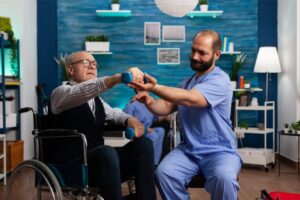
For older adults, one-on-one Physical and Occupational Therapy offers a level of personalized care that can significantly improve recovery, safety, and long-term independence. Instead of following a generic treatment plan or dividing attention among multiple patients, therapists focus entirely on one individual, tailoring every session to their specific needs.
At Rehab On Wheels, personalized care is at the heart of everything we do. Since 2017, we’ve helped seniors throughout New York City regain strength, improve mobility, and recover safely through individualized in-home rehabilitation services, while also welcoming patients at our clinic locations in Brooklyn and Staten Island.
Let’s explore why personalized, one-on-one therapy often leads to better outcomes for older adults.
Every Senior Has a Unique Recovery Journey
Aging affects everyone differently. Factors such as medical history, medications, previous injuries, lifestyle, and overall health all influence how someone recovers.
For example:
- A senior recovering from knee replacement surgery will require different exercises than someone recovering from a stroke.
- A patient with Parkinson’s disease has different mobility challenges than someone living with arthritis.
- An active 70-year-old may have different goals than a 90-year-old who wants to safely move around the house.
One-on-one therapy recognizes these differences and creates a rehabilitation plan based on the individual—not just the diagnosis.
Individualized Assessments Lead to Better Treatment
Before beginning therapy, a licensed Physical or Occupational Therapist performs a comprehensive assessment.
This evaluation may include:
- Balance and gait analysis
- Strength testing
- Joint flexibility
- Pain assessment
- Functional mobility
- Home safety evaluation
- Daily activity assessment
These findings allow therapists to develop personalized goals that reflect what matters most to the patient, whether it’s walking independently, climbing stairs, gardening, or playing with grandchildren.
Focused Attention Means Better Progress
One of the biggest advantages of one-on-one therapy is that the therapist’s full attention is devoted to a single patient.
This allows therapists to:
- Monitor movement closely
- Correct exercise techniques immediately
- Identify small improvements
- Adjust treatment based on daily progress
- Ensure exercises are performed safely
Because therapy is tailored in real time, patients often progress more efficiently and with greater confidence.
Safer Rehabilitation for Older Adults
Many seniors have multiple health conditions that require careful monitoring during rehabilitation.
One-on-one sessions allow therapists to:
- Monitor fatigue levels
- Observe breathing and endurance
- Adjust exercises based on pain
- Prevent overexertion
- Reduce fall risks
Safety becomes especially important for patients recovering from surgery, stroke, or neurological conditions.
Therapy That Fits Everyday Life
At Rehab On Wheels, much of our rehabilitation takes place in patients’ homes.
This allows therapists to address real-life challenges, including:
- Navigating stairs
- Getting into bed safely
- Using the bathroom independently
- Preparing meals
- Walking through narrow hallways
Practicing these activities in the home environment makes therapy more meaningful and directly improves everyday independence.
Stronger Patient-Therapist Relationships
Recovery is not only physical—it is emotional.
Older adults often feel more comfortable asking questions and expressing concerns when they build trust with the same therapist over time.
This relationship encourages:
- Better communication
- Increased motivation
- Greater confidence
- Higher participation in therapy
When patients feel heard and supported, they are more likely to remain engaged in their recovery.
Family Involvement Improves Outcomes
One-on-one therapy also creates opportunities to educate family members and caregivers.
Therapists can provide guidance on:
- Safe transfer techniques
- Fall prevention
- Home safety modifications
- Exercise programs between visits
- Supporting independence without taking over
This collaborative approach strengthens recovery both during and between therapy sessions.
Why Families Choose Rehab On Wheels
Founded in 2017 by a team of passionate Physical and Occupational Therapists, Rehab On Wheels is dedicated to making high-quality rehabilitation more accessible to seniors.
We proudly provide personalized in-home therapy throughout New York City, with clinic locations in Brooklyn and Staten Island.
Families trust Rehab On Wheels because we provide:
- Personalized one-on-one care
- Experienced Physical and Occupational Therapists
- Customized rehabilitation plans
- Compassionate senior-focused treatment
- Convenient in-home therapy
- Comprehensive caregiver education
Our mission is to help seniors regain confidence, restore mobility, and continue living independently.
Personalized Care Leads to Lasting Results
Recovery isn’t about checking boxes, it’s about helping people return to the activities that make life meaningful.
Whether it’s walking without fear, preparing a favorite meal, or enjoying time with family, one-on-one therapy focuses on goals that matter to each individual.
At Rehab On Wheels, we’re proud to help seniors throughout New York City, Brooklyn, and Staten Island achieve those goals through compassionate, personalized rehabilitation.
Author: Catherine Morrissey, PT, DPT